Skip to content

The BYOD Cybersecurity Checklist

With the proliferation of smartphones, tablets, and laptops, employees are no longer tied to their office desktops. BYOD, which stands for Bring Your Own Device, allows them to use their personal devices for work-related tasks, improving flexibility and remote work capabilities. However, this convenience also poses challenges for IT departments, security teams and corporate devices, as it brings about various BYOD security risks.

BYOD (Bring Your Own Device) combines personal and professional data, posing unique challenges for organizations. Personal mobile devices, including personal computers, contain sensitive company data like emails and social media, gaining access to corporate networks when used for work. This merger requires careful risk assessment and security measures to prevent data leakage and unauthorized access.

The main concern is unauthorized access to corporate data if a personal device is lost or stolen, leading to data breaches, financial loss, and reputational harm. Using personal devices outside the organization’s network also invites malware and phishing risks, compromising data and system access, particularly when dealing with multiple devices.

Moreover, BYOD complicates regulatory compliance, as different industries and locations have specific data protection laws. Non-compliance can lead to severe penalties and legal issues, emphasizing the need for a thorough BYOD policy to meet legal requirements and address security concerns.

Cybersecurity checklist for BYOD

To ensure the security of your organization’s data and networks in a BYOD environment, consider implementing the following checklist or BYOD security solutions:


1. Establish Clear BYOD Policies:

  • Create comprehensive BYOD policies that cover acceptable device usage, data handling practices, and security requirements for both personal and corporate devices.
  • Define procedures for device registration, monitoring, and incident response, especially when dealing with lost or stolen devices.


2. Educate and Raise Awareness:

  • Conduct regular cybersecurity training for employees to educate them about BYOD risks and best practices.
  • Promote strong password practices and implement multi-factor authentication (MFA).


3. Implement Device Management Solutions:

  • Utilize Mobile Device Management (MDM) or Enterprise Mobility Management (EMM) tools for centralized device control.
  • Enforce encryption, remote wipe capabilities, and application whitelisting.


4. Network and Data Security:

  • Segment BYOD devices on a separate network to isolate them from critical internal networks.
  • Implement network security measures like firewalls, intrusion detection systems, and VPNs for secure data transmission and safeguarding business data.


5. Application and Access Controls:

  • Review and approve applications before installation on BYOD devices.
  • Monitor and restrict application permissions to minimize unnecessary access.


6. Regular Updates and Patch Management:

  • Ensure all BYOD devices, personal computers included, have the latest operating system and software updates.
  • Implement a policy for prompt installation of security patches.


7. Data Encryption and Backup:

  • Enforce data encryption for both data at rest and in transit on BYOD devices.
  • Set up automated backup solutions and develop a data recovery plan.


8. Incident Response Planning:

  • Develop a comprehensive incident response plan specific to BYOD security incidents, outlining steps for addressing lost or stolen device incidents.
  • Define roles and responsibilities for handling breaches and security events.


9. Compliance and Legal Considerations:

  • Ensure compliance with data protection regulations (e.g., GDPR, HIPAA) in your BYOD policy.
  • Align BYOD policies with legal requirements and industry standards.


10. Regular Security Audits and Employee Offboarding:

  • Conduct routine security audits and vulnerability assessments of BYOD devices.
  • Establish a protocol for securely removing data and access when an employee leaves the organization.

How SafeDNS can help

It’s important to understand that while a thorough checklist is crucial for minimizing BYOD risks, adopting a strategic and multi-layered approach is the key to successfully navigating the various challenges. Partnering with a trusted cybersecurity ally can significantly enhance your organization’s ability to achieve comprehensive protection.

SafeDNS provides robust web filtering and content categorization capabilities, which serve as crucial layers in your multi-pronged security approach. By effectively filtering web content, it ensures that BYOD users access only safe and relevant websites, mitigating the risk of malicious attacks and inadvertent data breaches.

Conclusion

BYOD environments offer significant advantages, but they also introduce a multitude of cybersecurity challenges. Organizations must prioritize security to protect sensitive data, maintain compliance, and safeguard their reputation. Implementing a comprehensive cybersecurity checklist for BYOD is a crucial step in ensuring that employees can use their devices securely while minimizing risks, especially when dealing with a lost or stolen device.

Remember, mobile security in BYOD environments is an ongoing process, and staying vigilant is key to success. Regularly review and update your BYOD security policy and procedures, monitor the threat landscape, and adapt your security measures accordingly. With the right approach, you can harness the benefits of BYOD without compromising your organization’s cybersecurity posture. Partnering with cybersecurity allies like SafeDNS can enhance your organization’s ability to achieve comprehensive protection and mitigate BYOD security risks.

About Version 2 Limited
Version 2 Digital is one of the most dynamic IT companies in Asia. The company distributes a wide range of IT products across various areas including cyber security, cloud, data protection, end points, infrastructures, system monitoring, storage, networking, business productivity and communication products.

Through an extensive network of channels, point of sales, resellers, and partnership companies, Version 2 offers quality products and services which are highly acclaimed in the market. Its customers cover a wide spectrum which include Global 1000 enterprises, regional listed companies, different vertical industries, public utilities, Government, a vast number of successful SMEs, and consumers in various Asian cities.

About SafeDNS
SafeDNS breathes to make the internet safer for people all over the world with solutions ranging from AI & ML-powered web filtering, cybersecurity to threat intelligence. Moreover, we strive to create the next generation of safer and more affordable web filtering products. Endlessly working to improve our users’ online protection, SafeDNS has also launched an innovative system powered by continuous machine learning and user behavior analytics to detect botnets and malicious websites.

AI in Cybersecurity: Friend or Enemy for Your Business?

The dynamic nature of cyber threats demands advanced cyber security solutions, and artificial intelligence (AI) has emerged as a powerful ally in fortifying your business’s cybersecurity defenses. Here’s a look at the risks, AI-powered attacks, insider threats, and the undeniable benefits of integrating AI into your cybersecurity strategy. 


Risks of Using AI at the Workplace:

According to the latest annual McKinsey Global Survey, one-third of respondents have reported regular usage of generative AI in at least one organizational function. This means that a significant 60 percent of organizations with established AI adoption are incorporating generative AI into their operations. Additionally, 40 percent of these organizations anticipate increased investments in AI as a result of generative AI, while 28 percent confirm that their board of directors has already placed generative AI on their agenda.

The increasing prevalence of generative AI, as highlighted in the latest McKinsey Global Survey, underscores the growing role of artificial intelligence across various sectors. However, this surge in AI adoption also amplifies concerns about its potential misuse, especially in AI systems. One notable risk is “corpus poisoning” in AI cybersecurity, where malicious actors exploit AI’s training data to introduce vulnerabilities or biases. This threat exposure reminds us that while AI holds immense potential for innovation and productivity, it must be approached with a vigilant commitment to safeguarding against misuse and ensuring its responsible deployment in our evolving digital landscape.

At SafeDNS, we recognize the seriousness of this threat, which is why we have introduced a new category called “Generative AI” specifically designed to manage and regulate the usage of machine learning and generative AI in workplace environments.

AI-Powered Attacks & Cyber Threats:


In April 2018, TaskRabbit,

an online labor marketplace, fell victim to a massive cybersecurity breach. During this incident, the platform was targeted by hackers whose origins could not be traced. This breach stands out as one of the largest data breaches to date, affecting 3.75 million users. Users’ sensitive data, including social security numbers and bank account details, was compromised, leading to a temporary shutdown of the site and preventing users from accessing their accounts. Notably, this incident highlighted the adaptability of AI-driven threats, as the platform didn’t fully recover until September, ultimately affecting a staggering 145 million users.


With the rise of AI in cybersecurity attackers are harnessing its power to exploit AI technologies for malicious purposes. AI-powered attacks can adapt in real-time, making them challenging to detect and defend against.

Automated Precision: AI equips attackers with the ability to automate and execute attacks with unparalleled precision. From identifying vulnerabilities to crafting convincing phishing emails, these attacks are efficient and highly targeted.

Adaptive Threats: AI-driven attacks are not static; they evolve. Machine learning algorithms enable attackers to see new threats and adapt their strategies in real-time, making it challenging for traditional security tools and measures to keep up with emerging threats.

Scale and Speed: AI allows for simultaneous cyber attacks on a massive scale. It can scan networks, breach systems, and exfiltrate data at speeds that were previously unattainable, posing a significant threat to organizations.

The Benefits of AI in Cybersecurity:

Consider using AI for your business’s cybersecurity to stay ahead in the rapidly changing world of digital security. Despite security concerns and risks, AI offers some benefits when integrated into your cybersecurity strategy:

  • Anomaly Detection: AI can analyze vast amounts of data in real-time, identifying anomalies and alerting security teams to potentially risky activities. This early warning system allows cybersecurity teams for swift incident response to mitigate cyber threats, minimizing damage.
  • Enhanced ROSI: According to IBM, organizations with mature security AI and automation capabilities experience a 40% higher return on security investment (ROSI). This statistic underscores the value of AI in their security teams by optimizing cybersecurity resources and reducing incident response times to security incidents.

In conclusion, AI plays a dual role in cybersecurity, presenting risks and rewards for businesses. While it can enhance threat detection and response, there are concerns about AI-driven attacks and data manipulation. Balancing these factors is crucial for businesses to harness AI’s potential as a valuable ally in the dynamic world of digital security. It’s a reminder that responsible implementation and vigilance are essential to ensure AI remains a friend to cybersecurity professionals rather than an enemy in the fight against cyber threats. Remember to utilize AI, but also keep in mind that your adversaries are not idle; they too are leveraging AI. Take proactive measures to stay ahead of the evolving threat landscape and continuously adapt your cybersecurity strategies to effectively counter AI-powered attacks, and strengthen your organization’s security posture using AI-based cybersecurity systems to defend against false positives and optimize your cybersecurity artificial intelligence-powered solutions for a safer digital environment.

About Version 2 Limited
Version 2 Digital is one of the most dynamic IT companies in Asia. The company distributes a wide range of IT products across various areas including cyber security, cloud, data protection, end points, infrastructures, system monitoring, storage, networking, business productivity and communication products.

Through an extensive network of channels, point of sales, resellers, and partnership companies, Version 2 offers quality products and services which are highly acclaimed in the market. Its customers cover a wide spectrum which include Global 1000 enterprises, regional listed companies, different vertical industries, public utilities, Government, a vast number of successful SMEs, and consumers in various Asian cities.

About SafeDNS
SafeDNS breathes to make the internet safer for people all over the world with solutions ranging from AI & ML-powered web filtering, cybersecurity to threat intelligence. Moreover, we strive to create the next generation of safer and more affordable web filtering products. Endlessly working to improve our users’ online protection, SafeDNS has also launched an innovative system powered by continuous machine learning and user behavior analytics to detect botnets and malicious websites.

Child Safety: Understanding the Vital Role of KCSIE Guidance

The digital world has become the new normal and children are exposed to it from an early age. While the internet offers a wealth of information and opportunities, it also presents risks and challenges, especially for young and vulnerable individuals. To address these safeguarding concerns and ensure the safety and well-being of children and young people, the UK government introduced the Keeping Children Safe in Education (KCSIE) guidance.

What is KCSIE? 

KCSIE stands for Keeping Children Safe in Education, and it is a comprehensive set of guidelines issued by the UK government. This statutory guidance is designed to help schools, colleges, and other educational institutions create a safe and secure environment for children, both offline and online. KCSIE provides a framework for safeguarding children from various risks, including abuse, neglect, and online threats, such as child criminal exploitation, sexual abuse or child on child abuse.

Why is KCSIE Important?


Keeping Children Safe in Education (KCSIE)

is of utmost importance because it prioritizes the safety and well-being of children. Nowadays children face online risks like cyberbullying and child sexual exploitation, KCSIE provides a vital framework for schools and colleges to protect them.

It’s not just a legal requirement; it’s a moral obligation.

Educational institutions have legal duties to create a secure environment for children, both online and offline. By adhering to KCSIE, they show their commitment to nurturing a generation that can safely explore the digital world while shielding them from its dangers. This dedication builds trust with parents and guardians, such as school and college staff, ensuring children can learn and grow with confidence.

Main Points and Regulations of KCSIE

  • Child Protection Policies: Educational institutions must have robust child protection policies in place, outlining how they will safeguard children from harm, including online risks.
  • Designated Safeguarding Leads (DSLs): Each institution must appoint one or more designated safeguarding leads responsible for child protection and online safety.
  • Online Safety: KCSIE emphasizes the importance of educating children about online safety and the responsible use of technology. It also requires institutions to have appropriate filters and monitoring systems in place to prevent access to harmful content and maintain cyber security standards.
  • Reporting Concerns: Staff members are required to report any concerns they have about a child’s mental health or welfare promptly, including those related to community safety incidents. Institutions must have mechanisms in place for recording and escalating such concerns.
  • Safer Recruitment: Educational institutions must adhere to strict guidelines for safer recruitment practices to support schools and ensure that individuals who work with children are suitable and safe.
  • Training and Awareness: KCSIE mandates that all staff receive regular training on child protection, including online safety issues, and health education.
  • Information Sharing: The statutory guidance encourages institutions to share information and collaborate with other agencies, such as social services and law enforcement, when necessary to safeguard children, especially in cases of domestic abuse and sexual violence.

Governing bodies and management committees play a pivotal role in overseeing and implementing these regulations.

Important Updates to KCSIE Guidance Effective from September 1st, 2023

Recently, the UK government released an updated version of the statutory safeguarding and child protection guidance for schools and colleges, which includes important changes related to online safety. Effective from September 1st, 2023, these updates address evolving digital challenges in educational settings.

Enhanced DSL Responsibilities: Designated Safeguarding Leads (DSLs) now hold explicit responsibility for safeguarding, including online safety and understanding filtering and monitoring systems. Additional education guidance and support is mandated to aid DSLs in their critical role.

Comprehensive Staff Training: All staff members are now required to undergo safeguarding and child protection training, with a strong focus on online safety and designated safeguarding lead responsibilities. This ensures that staff are well-informed about filtering and monitoring responsibilities.

Integrated Online Safety: Schools must align their online safety approach with their child protection policy. This includes implementing filtering and monitoring systems and setting clear policies for mobile and smart technology use to prevent students from accessing harmful content on school premises.

In essence, these updates proactively address evolving child protection needs, emphasizing DSL responsibilities, child protection guidance, staff training, and the integration of online safety measures into educational institutions. This ensures a safer environment for children both online and offline in the face of new challenges.

The Keeping Children Safe in Education (KCSIE) statutory guidance serves as a crucial framework for educational institutions in the UK to protect children from harm, including online threats of violence and sexual harassment. By understanding and implementing the main points, regulations, and requirements of KCSIE, schools and colleges can create a safer and more secure environment for children to learn and grow, both online and offline. Ultimately, the goal is to ensure that children can explore the digital world with confidence and without compromising their safety.

About Version 2 Limited
Version 2 Digital is one of the most dynamic IT companies in Asia. The company distributes a wide range of IT products across various areas including cyber security, cloud, data protection, end points, infrastructures, system monitoring, storage, networking, business productivity and communication products.

Through an extensive network of channels, point of sales, resellers, and partnership companies, Version 2 offers quality products and services which are highly acclaimed in the market. Its customers cover a wide spectrum which include Global 1000 enterprises, regional listed companies, different vertical industries, public utilities, Government, a vast number of successful SMEs, and consumers in various Asian cities.

About SafeDNS
SafeDNS breathes to make the internet safer for people all over the world with solutions ranging from AI & ML-powered web filtering, cybersecurity to threat intelligence. Moreover, we strive to create the next generation of safer and more affordable web filtering products. Endlessly working to improve our users’ online protection, SafeDNS has also launched an innovative system powered by continuous machine learning and user behavior analytics to detect botnets and malicious websites.

How SafeDNS Provided a Secure Internet for a 30K-person event

Recently, amidst the thunderous roars and screeching tires of the races we supported, thousands gathered in Mexico City, Mexico on the 1st of July to experience the heart-pounding excitement of Notiauto Cup. In the midst of this motorsport extravaganza, SafeDNS stood as a silent sentinel, ensuring secure and seamless internet connectivity for the massive crowd.With 20-30 thousand attendees converging at Notiauto Cup and a significant portion of them relying on the event’s free WiFi, SafeDNS, a stalwart in online security, ensured their online journeys were devoid of cyber threats. Working in partnership with Joop Solutions, who provided the internet services, SafeDNS’s proven expertise maintained uninterrupted browsing while blocking all the online threats. With nearly half of the attendees accessing the event through the free WiFi, SafeDNS’s proven expertise maintained uninterrupted browsing while blocking all the online threats.  

As Carluc Racing continues to enthrall motorsport enthusiasts, SafeDNS remains committed to fortifying online experiences. In a world where connectivity is indispensable, SafeDNS not only ensures a safe digital journey but also paves the way for an uninterrupted and secure adventure for all attendees.

About Version 2 Limited
Version 2 Digital is one of the most dynamic IT companies in Asia. The company distributes a wide range of IT products across various areas including cyber security, cloud, data protection, end points, infrastructures, system monitoring, storage, networking, business productivity and communication products.

Through an extensive network of channels, point of sales, resellers, and partnership companies, Version 2 offers quality products and services which are highly acclaimed in the market. Its customers cover a wide spectrum which include Global 1000 enterprises, regional listed companies, different vertical industries, public utilities, Government, a vast number of successful SMEs, and consumers in various Asian cities.

About SafeDNS
SafeDNS breathes to make the internet safer for people all over the world with solutions ranging from AI & ML-powered web filtering, cybersecurity to threat intelligence. Moreover, we strive to create the next generation of safer and more affordable web filtering products. Endlessly working to improve our users’ online protection, SafeDNS has also launched an innovative system powered by continuous machine learning and user behavior analytics to detect botnets and malicious websites.

Navigating Online Compliances for UK Schools: Safeguarding Minors in the Digital Age

With the widespread integration of digital tools and the internet into educational practices, it becomes imperative for institutions to prioritize online safety and adhere to essential compliances. Protecting minors from online abuse is not just a moral responsibility but also a legal obligation.

The Importance of Online Safety in Schools

The internet has brought boundless educational opportunities to students, enabling access to information, collaboration, online relationships, and engagement on an unprecedented scale. However, this digital realm also presents inherent risks, making the protection of minors online a critical concern. Young individuals are particularly vulnerable to online risks like cyberbullying, inappropriate content, and predatory behavior. By implementing stringent online safety measures, schools contribute to the holistic development of students, fostering an environment where they can explore the digital world securely.

Key Compliances for UK Schools

UK schools are entrusted with not just education but also the protection of students in the online realm. This responsibility involves adhering to essential compliances that address data privacy, online conduct, and student well-being. These compliances not only outline rules but also provide valuable guidance and best practices for fostering a secure online environment. From the online safety principles safeguarding personal data to promoting safe internet habits, these regulations form the foundation of a protective framework that schools must adopt.

Children’s Online Privacy Protection Act (COPPA): This regulation governs the collection of personal information from children and young people under 13 years of age. UK schools should have robust protocols for obtaining parental consent before students engage in online activities that require sharing personal information.

General Data Protection Regulation (GDPR): Even though the UK has left the European Union, GDPR continues to influence data protection standards. Schools must handle student data with utmost care, ensuring transparent data practices and obtaining explicit consent when necessary.

Keeping Children Safe in Education (KCSIE): This statutory guidance provides schools with the framework to teach online safety and create a safe environment for students. It includes guidelines for identifying and reporting concerns related to online safety, as well as the responsibilities of school staff members in ensuring students’ protection.

Tips for Creating a Safer Online Environment

Creating a secure online atmosphere within educational settings requires a multifaceted approach that goes beyond compliance. Here are some effective strategies that UK schools can employ to ensure the safety and well-being of their students online.

Understand the key requirements of the safe internet strategy. Develop a clear and concise internet use policy that outlines acceptable online behaviour, prohibited activities, and consequences for violations. Ensure that students, teachers, and parents are aware of this policy.


Understand the key requirements of the safe internet strategy.

Develop a clear and concise internet use policy that outlines acceptable online behavior, prohibited activities, and consequences for violations. Ensure that students, teachers, and parents are aware of this policy.


Technology Assessment & Deployment.

Evaluate the need for essential technologies such as firewalls, content filters, and monitoring tools while also assessing the scalability and compatibility of your existing infrastructure. Once identified, deploy these technologies effectively, ensuring proper installation, updates, and monitoring. Set up reporting mechanisms to promptly address any violations or concerns, fostering a secure online educational space.


Training & Awareness.

Integrate online safety education into the curriculum. Empower students with the knowledge to identify risks, report incidents, and make informed decisions while navigating the digital landscape. Consider incorporating topics such as “online safety training” and “internet safety” into the curriculum to address these issues explicitly.


Regular Audits and Analyses.

Periodically review your school’s online safety measures to identify gaps and areas for improvement. Engage with experts and utilize online assessment tools to gauge the effectiveness of your efforts. Make sure your existing curriculum requirements align with updated safety guidelines.


Parental Involvement.

Foster open communication with parents about the school’s online safety initiatives. Provide resources and workshops to educate parents on how to protect their children online and recognize potential threats.


Maintain Records.

Document all actions, from technology implementation and training to updates. Securely store reports of violations and concerns as essential references to assess safety measures and ensure a consistently secure online environment.

By adhering to essential compliances and implementing proactive measures, institutions can create a secure environment where students can explore, learn, and grow without compromising their safety. As technology continues to evolve, schools play a pivotal role in nurturing responsible digital citizens who are equipped to navigate the online world with confidence and resilience.

To access further guidance and resources on online safety, consider reaching out to the UK Safer Internet Centre, which offers valuable guidance outlines on creating a safe digital space for students. Additionally, when addressing sensitive topics such as “sex education” in the digital age, it’s crucial for schools to adapt and ensure that appropriate content and discussions exist online.

About Version 2 Limited
Version 2 Digital is one of the most dynamic IT companies in Asia. The company distributes a wide range of IT products across various areas including cyber security, cloud, data protection, end points, infrastructures, system monitoring, storage, networking, business productivity and communication products.

Through an extensive network of channels, point of sales, resellers, and partnership companies, Version 2 offers quality products and services which are highly acclaimed in the market. Its customers cover a wide spectrum which include Global 1000 enterprises, regional listed companies, different vertical industries, public utilities, Government, a vast number of successful SMEs, and consumers in various Asian cities.

About SafeDNS
SafeDNS breathes to make the internet safer for people all over the world with solutions ranging from AI & ML-powered web filtering, cybersecurity to threat intelligence. Moreover, we strive to create the next generation of safer and more affordable web filtering products. Endlessly working to improve our users’ online protection, SafeDNS has also launched an innovative system powered by continuous machine learning and user behavior analytics to detect botnets and malicious websites.

The Threat of Filtering Bypass and How SafeDNS Can Keep You Secure

Picture this: you’ve successfully set up your content filter, creating a reassuring shield for your digital realm. Confidence grows as you believe your online world is now safeguarded against unwanted content and potential threats. But here’s the reality check: the digital landscape is a crafty one, and determined individuals can find their way around and easily bypass your barriers. In this situation knowledge is your power. Let’s delve into the realm of filter bypass, uncovering its intricacies and equipping you with insights to fend off potential breaches. 

The Danger of Bypassing Filtering

Content filtering plays a crucial role in maintaining a safe and secure online environment. By preventing access to malicious websites, adult content, and other harmful resources, content filtering tools like SafeDNS shield users from potential harm. Bypassing these various web filters, intentionally or unintentionally, can lead to a range of risks, including:

Exposure to Inappropriate Content:

Bypassing filters may result in users accessing explicit, violent, or inappropriate content, putting individuals, especially children, at risk.

Malware and Phishing Attacks:

Unfiltered access to internet also increases the likelihood of encountering malicious websites that can distribute malware, launch phishing attacks, and have other methods to compromise sensitive data.

Productivity Loss:

Employees bypassing filters might spend work hours on social media sites and non-work-related websites, leading to decreased productivity and potential security vulnerabilities.

Legal and Compliance Issues:

Bypassing filters could lead to legal issues if users access copyrighted materials, engage in cyberbullying, or involve themselves in other illicit activities.

How Bypassing Filtering Works and the Role of VPNs

Bypassing content filtering often involves the use of proxies, anonymizers, and Virtual Private Networks (VPNs). These tools mask users’ true identities and locations, allowing them to quickly access restricted content. VPNs, in particular, create a secure and encrypted tunnel between the user’s computer or device and a remote server, effectively cloaking online activities from prying eyes.

VPN providers and VPN connections can help bypass filtering and access a blocked website by:

  • Masking IP Addresses: VPNs hide users’ IP addresses, making it difficult for content filtering systems to accurately identify and block restricted content.
  • Encryption: Encrypted connections provided by VPNs prevent network administrators from inspecting the content of data packets, further complicating filtering efforts.
  • Geo-Spoofing: VPNs can make it appear as though a user is browsing from a different location, potentially bypassing regional content restrictions.

Accessing Blocked Websites with DNS Servers and Proxy Servers

In addition to VPNs, users may also employ DNS servers and proxy servers to access blocked websites. DNS servers and free proxies, such as Google Public DNS, can be configured to resolve domain names for blocked websites, effectively circumventing content filters. A proxy server and proxy websites act as intermediaries between users and blocked content, making it appear as though the requests are originating from an unrestricted source.

Preventing Bypass with SafeDNS

SafeDNS has taken proactive measures to address bypass concerns. Our intuitive solution empowers you to prevent bypass attempts with ease.

In the SafeDNS dashboard, under the “Illegal Activity” section, you have the option to block the “Proxies & Anonymizers” category. By doing so, you proactively thwart attempts to bypass content filtering through these means.  This simple yet powerful step enhances your defense against content filtering evasion, ensuring that the browsing traffic on your network remains secure and productive.


But what precisely occurs when you make this pivotal move, and how does it contribute to curbing bypass attempts?

When you choose to block the VPN and anonymizer category, you essentially curtail access to all categorized resources that could potentially serve as conduits for traffic circumvention services. In practical terms, this means that users are prevented from downloading such software and initiating any attempts to bypass traffic filtering.

Even in scenarios where such bypass-enabling software has already been downloaded, SafeDNS still offers protection, albeit with certain limitations. If the software communicates with its servers through domains, for example, we can effectively shield your network from bypass attempts. However, if the software relies on IP addresses for communication, our protective measures may not be as effective in this specific scenario.


In conclusion, understanding the dangers of bypassing content filtering is crucial for maintaining a safe online environment. Use of protective measures of SafeDNS, such as bypass prevention and blocking category proxies and anonymizers, significantly strengthens your network’s security posture. By staying vigilant and taking proactive steps, you can ensure that your network remains a safe and productive space for all users.

About Version 2 Limited
Version 2 Digital is one of the most dynamic IT companies in Asia. The company distributes a wide range of IT products across various areas including cyber security, cloud, data protection, end points, infrastructures, system monitoring, storage, networking, business productivity and communication products.

Through an extensive network of channels, point of sales, resellers, and partnership companies, Version 2 offers quality products and services which are highly acclaimed in the market. Its customers cover a wide spectrum which include Global 1000 enterprises, regional listed companies, different vertical industries, public utilities, Government, a vast number of successful SMEs, and consumers in various Asian cities.

About SafeDNS
SafeDNS breathes to make the internet safer for people all over the world with solutions ranging from AI & ML-powered web filtering, cybersecurity to threat intelligence. Moreover, we strive to create the next generation of safer and more affordable web filtering products. Endlessly working to improve our users’ online protection, SafeDNS has also launched an innovative system powered by continuous machine learning and user behavior analytics to detect botnets and malicious websites.

DNS Tunneling: An Overview of Cybersecurity Risks

Amidst the ever-changing landscape of cybersecurity, new threats continue to emerge, and among them lies the covert menace of DNS tunneling. This elusive technique enables cybercriminals to exploit the Domain Name System, covertly transferring data without detection. 

What is DNS Tunneling?

DNS tunneling is a sophisticated cybersecurity technique that enables attackers to establish covert communication channels by utilizing the DNS protocol, which was originally designed for translating domain names into IP addresses. In a typical DNS transaction, a user’s device sends a query to a DNS resolver, which then returns the corresponding IP address. However, malicious actors exploit this communication process to hide and transport unauthorized data within DNS queries and responses.

This method of data exfiltration and communication poses a significant threat to network security, as it allows attackers to bypass traditional security mechanisms, such as firewalls and proxies, that usually monitor and filter internet traffic based on standard protocols. As a result, DNS tunneling becomes a preferred choice for cybercriminals seeking to remain undetected while transferring sensitive information or controlling compromised systems.

How Does DNS Tunneling Work?

DNS tunneling works by infiltrating a malware command and control (C&C) server into the network, which then sends DNS requests to external malware-controlled servers. These servers resolve the DNS queries to reveal and communicate additional information, usually in the form of a hidden payload.

The malware can then hide its activities in these DNS requests and responses since they are often overlooked by firewalls. The hackers can then use the incoming DNS queries to extract data from the network and covertly transmit the payloads to a remote C&C server.


Note!

DNS tunneling takes place not in real-time, but rather from a
compromised machine.


DNS tunneling is a dangerous tactic that malicious actors can use to bypass standard security measures. In this attack, an attacker will infiltrate an internal DNS server and send DNS requests to an external target DNS server. The internal DNS server will then send the request to the target DNS server, which will resolve it and return additional information in the form.

Risks Associated with DNS Tunneling

DNS tunneling poses severe risks to organizations. One of the most significant dangers is that it can allow cybercriminals to bypass firewalls and other security protocols.

It can also lead to the theft of sensitive information, such as confidential business data and personal customer information, that might be encrypted or not secured correctly, opening up the possibility for it to be exfiltrated from the network.

Moreover, DNS tunneling can make it particularly challenging for IT teams to detect and prevent attacks from taking place because the attack traffic typically uses the same protocol that the organization uses for its everyday operations.


Real-Life Examples of DNS Tunneling Attacks and Their Impact

DNS tunneling attacks have been used to great effect by malicious actors in the real world, leading to significant damage to industries and organizations.

In 2019,

researchers discovered a DNS tunneling attack targeting a large international energy company. In this case, attackers managed to gain access to the company’s internal network via a compromised domain name system server. After gaining access, they used DNS tunneling techniques to send malicious payloads into the network that allowed them to exfiltrate sensitive data.

In 2020,

an attacker targeted an Australian logistics firm with a DNS tunneling attack, resulting in the theft of confidential business information and customer data. The attacker was able to bypass security protocols by sending out malicious requests hidden in standard DNS queries.


DNS tunneling attacks can also be used as part of more sophisticated campaigns. In one instance, attackers created a fake domain name system server that they then used to launch distributed denial-of-service (DDoS) attacks against multiple organizations simultaneously. By hiding their traffic in DNS queries, they were able to use their own fake server as the source of the attack without detection.

DNS tunneling is a particularly dangerous type of cyberattack that has caused significant damage to various industries and organizations around the world. It allows attackers to bypass standard security measures and exfiltrate sensitive data from networks undetected. As such, it is important for organizations and businesses alike to remain vigilant against this form of attack and take steps towards mitigating its risk whenever possible.

Recognizing DNS Tunneling

DNS tunneling can be difficult to spot due to the fact that it uses the same protocol as other network activities, making it hard to differentiate malicious traffic from legitimate traffic.

However, there are a few signs that IT professionals can look for when attempting to recognize DNS tunneling. For example, if an internal server is sending requests or receiving data from strange IP addresses, this could be a sign of DNS tunneling. Additionally, spikes in DNS query volume or unusually high amounts of traffic coming from a particular domain name could indicate malicious activity.

Other indicators of DNS tunneling include unusual port connections and unencrypted data being sent over the network. Monitoring services such as netflow and packet capture can help businesses detect these suspicious patterns and alert them of any potential threats.

Organizations should also look out for any anomalous behavior from trusted users; while most users will only use standard DNS protocol commands, any sudden changes or unfamiliar commands could signify malicious intent. In addition, Domain Name System Security Extensions (DNSSEC) should be enabled on all systems to prevent attackers from manipulating records and bypassing security protocols.

How to Protect Against DNS Tunneling

To avoid falling victim to DNS tunneling, it is crucial to have a multi-layered approach to cyber defense in your organization.


First,

it is essential to strengthen your gateway defenses. Install quality firewalls that can detect and block DNS tunneling attacks. Moreover, monitor incoming and outgoing network traffic by setting up an intrusion detection system (IDS) to analyze DNS traffic.

Secondly,

keep all your software updated and apply strict patch management practices. Ensure that DNS servers are patched and kept up-to-date with the latest security standards, which can help fix vulnerabilities.

Finally,

establish security protocols for your users, including access policies, credentials, and dynamic passwords across your network.


Conclusion

DNS tunneling poses significant threats to organizations. Preventing these attacks requires a multi-layered approach to network security to ensure all potential exploits and system vulnerabilities are detected and prevented. From protective firewalls to critical system processes implementation, there is much that companies can do to protect themselves against DNS tunneling attacks and other similar cybersecurity threats. Employing proper security measures, IT teams can shrug off network vulnerabilities.

About Version 2 Limited
Version 2 Digital is one of the most dynamic IT companies in Asia. The company distributes a wide range of IT products across various areas including cyber security, cloud, data protection, end points, infrastructures, system monitoring, storage, networking, business productivity and communication products.

Through an extensive network of channels, point of sales, resellers, and partnership companies, Version 2 offers quality products and services which are highly acclaimed in the market. Its customers cover a wide spectrum which include Global 1000 enterprises, regional listed companies, different vertical industries, public utilities, Government, a vast number of successful SMEs, and consumers in various Asian cities.

About SafeDNS
SafeDNS breathes to make the internet safer for people all over the world with solutions ranging from AI & ML-powered web filtering, cybersecurity to threat intelligence. Moreover, we strive to create the next generation of safer and more affordable web filtering products. Endlessly working to improve our users’ online protection, SafeDNS has also launched an innovative system powered by continuous machine learning and user behavior analytics to detect botnets and malicious websites.

SafeDNS Receives SourceForge Top Performer Award

We are thrilled to announce that SafeDNS has been bestowed with the prestigious recognition of being a Category Top Performer by SourceForge! This acknowledgment is a testament to the hard work, dedication, and innovation of the entire SafeDNS team.

This accomplishment is not only a source of pride for SafeDNS but also a reaffirmation of the trust and confidence our users place in us. Our commitment to providing seamless, comprehensive, and cutting-edge DNS filtering services has consistently driven us to deliver excellence.

Great support and very effective system. Easy to setup for a multi-site company with many simple to use features and good written support materials. [Frank V.]

SafeDNS has always been driven by a customer-centric approach, striving to create an internet experience that is not only safer but also more efficient and tailored to individual needs. This recognition further motivates us to continue pushing the boundaries of what our service can achieve, constantly improving and adapting to the ever-evolving landscape of online threats.

Thank you once again for your unwavering support, and we look forward to bringing you even more groundbreaking innovations and enhancements in the future. Together, we will make the internet a safer place for all!

About Version 2 Limited
Version 2 Digital is one of the most dynamic IT companies in Asia. The company distributes a wide range of IT products across various areas including cyber security, cloud, data protection, end points, infrastructures, system monitoring, storage, networking, business productivity and communication products.

Through an extensive network of channels, point of sales, resellers, and partnership companies, Version 2 offers quality products and services which are highly acclaimed in the market. Its customers cover a wide spectrum which include Global 1000 enterprises, regional listed companies, different vertical industries, public utilities, Government, a vast number of successful SMEs, and consumers in various Asian cities.

About SafeDNS
SafeDNS breathes to make the internet safer for people all over the world with solutions ranging from AI & ML-powered web filtering, cybersecurity to threat intelligence. Moreover, we strive to create the next generation of safer and more affordable web filtering products. Endlessly working to improve our users’ online protection, SafeDNS has also launched an innovative system powered by continuous machine learning and user behavior analytics to detect botnets and malicious websites.

DNS Poisoning: Understanding the Threat and Securing Your Online Experience

In the world of the Internet, the Domain Name System (DNS) plays a vital role in translating human-readable website addresses into computer-readable IP addresses. It acts as a directory that helps users navigate the vast online landscape. However, the DNS is not immune to security threats, and one such threat is DNS poisoning. In this blog post, we will delve into the intricacies of DNS poisoning, its potential dangers to internet users, and how SafeDNS can protect your online activities. Let’s explore this topic further.

What is DNS Poisoning?

DNS poisoning, also known as DNS cache poisoning or DNS spoofing, is a cyber attack that manipulates the DNS resolution process to redirect users to malicious websites or intercept their network traffic. This attack targets the DNS cache, where previously resolved domain names and their corresponding IP addresses are stored. By injecting false information into the DNS cache, attackers can trick users and redirect online traffic from them to malicious websites without their knowledge or consent.

Attackers can poison DNS caches by impersonating DNS name servers, making a request to a DNS resolver and then spoofing the response when the DNS resolver queries a name server. This is possible because DNS servers use UDP (User Datagram Protocol) instead of TCP and because there is currently no verification of DNS information.

The Mechanics of DNS Poisoning

DNS poisoning typically occurs in two forms: client-side and server-side attacks. In a client-side DNS poisoning attack, malware infects the user’s device and modifies its DNS settings to redirect DNS requests to malicious servers. On the other hand, server-side attacks exploit vulnerabilities in DNS servers, allowing attackers to inject false DNS records directly into the server’s cache. This enables them to redirect traffic across multiple devices connected to the compromised server.

The Dangers of DNS Poisoning

DNS poisoning can have severe consequences for both individuals and organizations. Here are a few notable dangers:

  • Leakage of Sensitive Data: Phishing attacks can lead to the leakage of sensitive data. Attackers may attempt to trick users into revealing confidential information such as bank card details, login credentials, or personal information. By impersonating legitimate websites or services, phishing attacks can result in the inadvertent disclosure of sensitive data to malicious actors.
  • Malware Distribution: DNS poisoning can be employed to redirect users to websites that host malware, resulting in unintended downloads and installations of malicious software.
  • Unauthorized Data Access: Man-in-the-Middle attacks pose the risk of unauthorized access to personal data or the interception of sensitive information. In such attacks, malicious actors can intercept network traffic and manipulate or steal data by altering packets. This can lead to the exposure of personal information, financial data, or the reception of misleading and untrustworthy information.
  • Brand Reputation Damage: Organizations may face reputational damage if their customers unknowingly access malicious websites that imitate their legitimate platforms, leading to compromised data or financial losses.

Detecting and Mitigating DNS Poisoning Attacks

Detecting and mitigating DNS spoofing attacks is crucial to ensuring online security. While there are various security solutions available, it is essential to understand the techniques and best practices that can help identify and counter DNS poisoning attacks. Here are some effective strategies:

  • DNSSEC Implementation: DNS Security Extensions (DNSSEC) is a security protocol that adds an extra layer of authentication to DNS responses. By digitally signing DNS records, DNSSEC prevents attackers from injecting false information into the DNS cache and helps validate the authenticity of DNS responses.
  • Regular DNS Monitoring: Organizations should proactively monitor their DNS infrastructure for any signs of poisoning attacks. This involves analyzing DNS traffic patterns, monitoring DNS cache contents, and utilizing intrusion detection systems (IDS) or security information and event management (SIEM) solutions to identify suspicious activities.
  • DNS Firewall Protection: Deploying a DNS firewall can help block malicious DNS requests and prevent DNS poisoning of caches. DNS firewalls use threat intelligence, reputation-based filtering, and behavioral analysis to identify and block DNS requests associated with known malicious domains or suspicious behavior.
  • Encrypted DNS (DoT/DoH): Encrypted DNS protocols such as DNS over TLS (DoT) and DNS over HTTPS (DoH) provide an additional layer of security by encrypting DNS traffic between clients and DNS resolvers. This prevents attackers from eavesdropping on or tampering with DNS requests and responses.
  • Regular Security Audits: Conducting regular security audits of DNS infrastructure helps identify vulnerabilities and ensure proper configuration. This includes reviewing DNS server settings, access controls, and applying necessary patches and updates to mitigate potential security risks.

By implementing these strategies and staying vigilant, organizations can significantly reduce the risk of DNS poisoning attacks and protect their online presence and sensitive information.

Safeguarding DNS Infrastructure with Secure Practices

In addition to specific techniques for detecting and mitigating DNS poisoning attacks, there are general best practices to safeguard DNS infrastructure. Consider the following security protocols.

  • Implement Access Controls: Restrict access to DNS servers by allowing only authorized personnel to make changes to DNS configurations. Enforce strong authentication measures, including two-factor authentication (2FA) or multi-factor authentication (MFA).
  • Regularly Patch and Update: Keep DNS servers and associated software up to date with the latest security patches and updates. Promptly address any known vulnerabilities to minimize the risk of exploitation.
  • Employ Network Segmentation: Separate DNS servers from other critical infrastructure by implementing network segmentation. This prevents unauthorized access or lateral movement in case of a security breach.
  • Backup and Recovery: Regularly backup DNS configurations and zone files. In the event of a DNS cache poisoning attack, having recent backups ensures quick recovery and reduces the impact on DNS services.
  • Continuous Staff Training: Provide ongoing training to IT staff and employees to educate them about DNS poisoning attacks, phishing techniques, and general cybersecurity practices. Encourage reporting of suspicious activities to facilitate early detection and response.  Consider SafeDNS cybersecurity awareness training to equip employees with the knowledge and skills needed to identify and respond to potential security risks.

Conclusion

DNS poisoning attacks pose a significant threat to online security, but with the right strategies and practices in place, organizations can detect and mitigate these attacks effectively. By implementing DNSSEC, monitoring DNS traffic, utilizing DNS firewalls, and practicing secure DNS infrastructure management, organizations can safeguard their online presence and protect sensitive information. Employing these techniques, along with regular security audits and staff training, will contribute to a robust defense against DNS poisoning attacks.

About Version 2 Limited
Version 2 Digital is one of the most dynamic IT companies in Asia. The company distributes a wide range of IT products across various areas including cyber security, cloud, data protection, end points, infrastructures, system monitoring, storage, networking, business productivity and communication products.

Through an extensive network of channels, point of sales, resellers, and partnership companies, Version 2 offers quality products and services which are highly acclaimed in the market. Its customers cover a wide spectrum which include Global 1000 enterprises, regional listed companies, different vertical industries, public utilities, Government, a vast number of successful SMEs, and consumers in various Asian cities.

About SafeDNS
SafeDNS breathes to make the internet safer for people all over the world with solutions ranging from AI & ML-powered web filtering, cybersecurity to threat intelligence. Moreover, we strive to create the next generation of safer and more affordable web filtering products. Endlessly working to improve our users’ online protection, SafeDNS has also launched an innovative system powered by continuous machine learning and user behavior analytics to detect botnets and malicious websites.

QR-Phishing (Quishing): A New Threat on the Rise

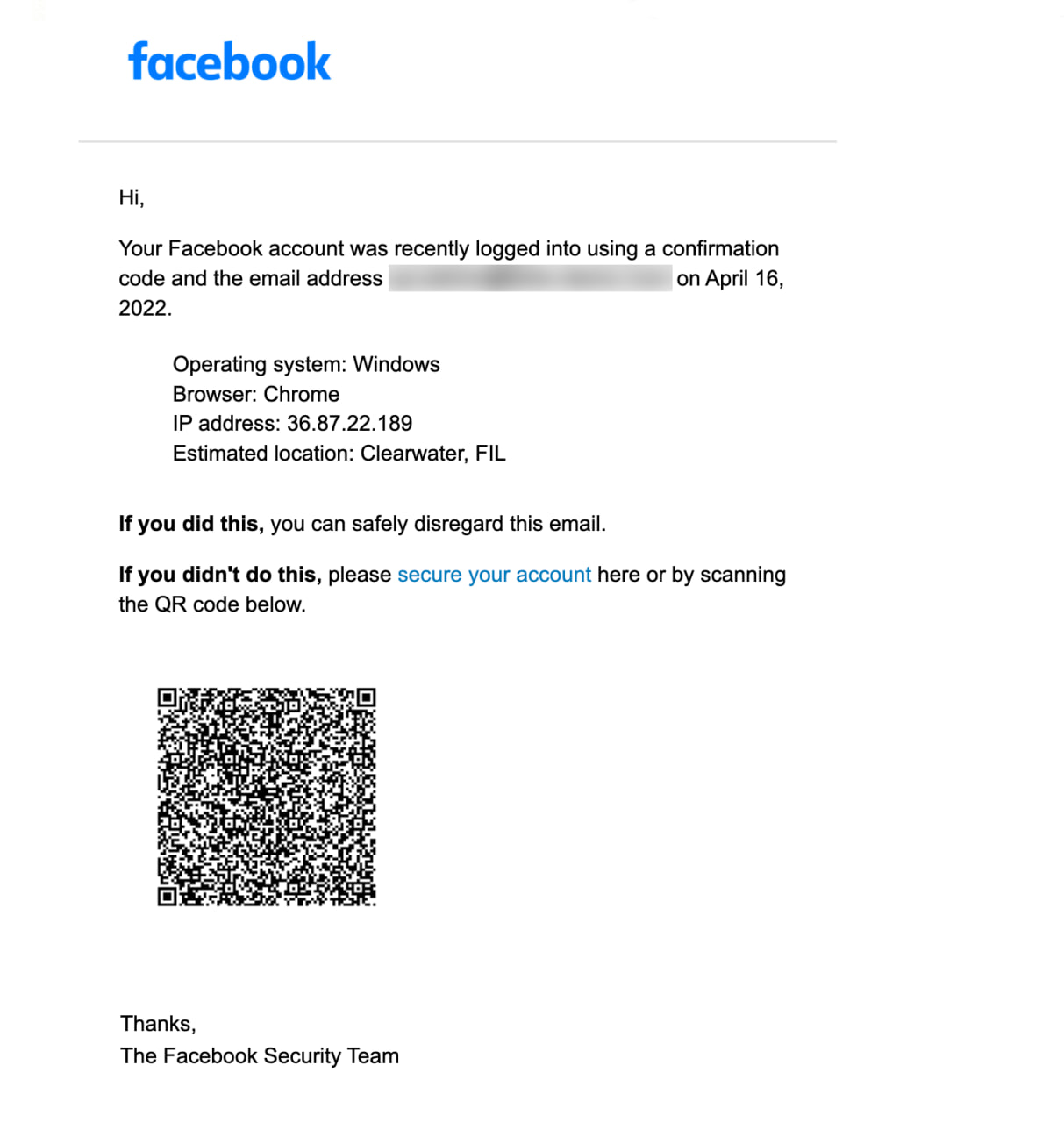
With the rapid advancement of technology, cybercriminals are constantly exploring new methods to deceive unsuspecting individuals. One such emerging threat is QR-phishing, also known as “quishing” or “QR code phishing”. This technique involves the use of phishing emails or messages containing QR codes that, when scanned, lead to malicious websites or scams. In this article, we will delve into what QR-phishing is, the dangers it poses, and how you can protect yourself against this growing threat.

Understanding QR-Phishing or QR Code Scams 

QR-phishing leverages fraudulent QR codes as a medium to deceive victims. A QR code is a matrix barcode that can be scanned using a smartphone or mobile device or other scanning devices. It can contain various types of information, such as URLs, text, or contact details. In the context of phishing, cybercriminals embed QR codes within their fraudulent messages or emails, for example by disguising them as harmless links or promotions.

The Dangers of QR-Phishing

QR-phishing or QR code spoofing presents several dangers to individuals who unknowingly fall victim to the scam:

One of the significant hazards of QR-phishing is the potential for malware infections. Always treat QR codes as links. When you scan QR codes from a phishing email, it can trigger the download of malicious software onto your device. This malware can compromise your sensitive information, grant unauthorized access to your device, or even allow cybercriminals to control it remotely. The consequences can include data breaches, privacy violations, and financial losses.

Another danger is credential theft. QR-phishing attacks often employ deceptive techniques, such as creating fake login pages or forms that closely mimic legitimate websites. Unwitting victims may unwittingly enter their usernames, passwords, or other confidential details into these malicious portals. Cybercriminals can then capture this information and gain unauthorized access to their accounts. This can lead to identity theft, unauthorized transactions, and potential financial ruin.

Financial loss is a significant risk associated with QR-phishing. Scammers frequently redirect victims to a fake website or counterfeit banking or payment portals designed to look like genuine platforms. Unsuspecting individuals may unknowingly input their financial information, which can result in fraudulent transactions, unauthorized access to their accounts, and the exposure of sensitive data like credit card details. This can lead to substantial monetary losses and leave victims vulnerable to further financial exploitation.

Protecting Yourself Against QR-Phishing and QR Codes

Protecting yourself against QR-phishing can be challenging since traditional email protection systems may struggle to identify QR codes as malicious links. However, there are still proactive measures you can take to safeguard your online security:

1. Stay Informed: Educate yourself about QR-phishing and its potential risks. Understand that scanning a QR code can be as dangerous as clicking on a suspicious link. Exercise caution and avoid scanning QR codes from untrusted sources or unfamiliar emails.

2. Verify the Source: Be vigilant when receiving emails or messages containing QR codes. Verify the legitimacy of the sender and the content before taking any action. If you have doubts about the authenticity of the message, contact the organization or individual through verified channels to confirm the request.

3. Use Web Filtering: Employ a robust web filtering solution like SafeDNS to add an extra layer of protection. Web filters can help detect and block access to malicious websites associated with QR-phishing attacks, reducing the risk of unsuspecting users falling victim to such QR code scams.

4. QR Code Scanning Apps: Consider using reputable QR code scanning applications that offer security features. These apps can detect potentially malicious QR codes and provide warnings or block the user from accessing harmful websites.

What to Do If You Scan a Phishing QR Code

Despite your best efforts to stay vigilant, it’s still possible to fall prey to a phishing QR code. If you realize that you have scanned a QR code that leads to a malicious phishing website or suspect that you may have been a victim of QR-phishing, here are the steps you should take:

1. Disconnect from the Network: Immediately disconnect your device from the internet to prevent any further communication with the malicious website or potential malware. Disable Wi-Fi and cellular data connections to ensure that your device is offline.

2. Perform a Security Scan: Run a comprehensive security scan on your device using reputable antivirus or security software. This will help identify and remove any malware or suspicious files that may have been downloaded as a result of scanning the phishing QR code.

3. Change Your Passwords: Change the passwords for any accounts that you accessed or entered information into after scanning the QR code. Start with your email account, social media profiles, and online banking or financial accounts. Ensure that your new passwords are strong, unique, and not used for multiple accounts.

4. Enable Two-Factor Authentication: If you haven’t already done so, enable two-factor authentication (2FA) on your online accounts. 2FA adds an extra layer of security by requiring a verification code in addition to your password when logging in. This can help protect your accounts even if your login credentials have been compromised.

5. Monitor Your Accounts: Keep a close eye on your financial accounts, credit card statements, and any other accounts that may have been compromised. Look for any unauthorized transactions or suspicious activity. If you notice anything unusual, contact your financial institution or service provider immediately to report the incident.

Remember, it’s crucial to act swiftly if you realize that you have scanned a phishing QR code. Taking immediate steps to disconnect from the network, perform a security scan, change passwords, and report the incident can help minimize the potential damage and protect your online accounts and personal information.

Conclusion

As QR-phishing continues to evolve as a sophisticated cyber threat, it is crucial to remain vigilant and cautious when encountering QR codes, especially in emails or messages from unknown sources. By increasing your awareness of this technique and implementing proactive measures such as verifying sources and leveraging web filtering solutions, you can protect yourself from falling victim to QR code phishing attacks. Remember, your knowledge and carefulness are your best defenses against emerging threats in the digital landscape.

About Version 2 Limited
Version 2 Digital is one of the most dynamic IT companies in Asia. The company distributes a wide range of IT products across various areas including cyber security, cloud, data protection, end points, infrastructures, system monitoring, storage, networking, business productivity and communication products.

Through an extensive network of channels, point of sales, resellers, and partnership companies, Version 2 offers quality products and services which are highly acclaimed in the market. Its customers cover a wide spectrum which include Global 1000 enterprises, regional listed companies, different vertical industries, public utilities, Government, a vast number of successful SMEs, and consumers in various Asian cities.

About SafeDNS
SafeDNS breathes to make the internet safer for people all over the world with solutions ranging from AI & ML-powered web filtering, cybersecurity to threat intelligence. Moreover, we strive to create the next generation of safer and more affordable web filtering products. Endlessly working to improve our users’ online protection, SafeDNS has also launched an innovative system powered by continuous machine learning and user behavior analytics to detect botnets and malicious websites.