Skip to content

Keepit Honored with 2025 Cloud Security Excellence Award

Keepit, the only vendor-independent cloud solution for SaaS data protection, has been recognized with the 2025 Cloud Computing Security Excellence Award from TMC, a global media company. This prestigious award highlights companies that leverage cloud technology to deliver powerful and innovative cybersecurity offerings to the market.

Ensuring Data Resilience and Business Continuity

The award acknowledges the effectiveness of the Keepit platform in providing a critical solution for business-critical SaaS data. The article notes that many businesses have not kept pace with the need for robust backup and recovery as they migrate key data to SaaS applications, leaving them vulnerable to data loss.

The Keepit platform addresses this gap by offering a single solution to protect data across eleven major SaaS applications, including Microsoft 365, Google Workspace, Jira, and Okta. Its unique, separate, and immutable storage ensures data resilience, helps organizations maintain compliance, and mitigates the impact of ransomware attacks.

Industry Validation and Trust

“We are proud that the Keepit platform securely backs up data for over 18,000 customers globally, and this award validates that our solution benefits the industry and customers,” said Michele Hayes, CMO at Keepit.

Rich Tehrani, CEO of TMC, also praised Keepit, stating that the award is a testament to the company’s commitment to innovation and excellence in the cloud security market.

Headquartered in Copenhagen, Keepit continues to expand its global footprint with offices and data centers worldwide, building on the trust of its customers through its dedication to providing secure, reliable data protection.

About Keepit
At Keepit, we believe in a digital future where all software is delivered as a service. Keepit’s mission is to protect data in the cloud Keepit is a software company specializing in Cloud-to-Cloud data backup and recovery. Deriving from +20 year experience in building best-in-class data protection and hosting services, Keepit is pioneering the way to secure and protect cloud data at scale.

About Version 2 Limited
Version 2 Digital is one of the most dynamic IT companies in Asia. The company distributes a wide range of IT products across various areas including cyber security, cloud, data protection, end points, infrastructures, system monitoring, storage, networking, business productivity and communication products.

Through an extensive network of channels, point of sales, resellers, and partnership companies, Version 2 offers quality products and services which are highly acclaimed in the market. Its customers cover a wide spectrum which include Global 1000 enterprises, regional listed companies, different vertical industries, public utilities, Government, a vast number of successful SMEs, and consumers in various Asian cities.

Top 5 Christmas Gift Ideas for Employees

Finding the perfect Christmas gift for employees can be a challenge. The best gifts show genuine appreciation, recognize individual contributions, and make people feel valued beyond their professional role. This guide outlines five thoughtful gift ideas that can strengthen team morale and build lasting goodwill.

Gift Ideas That Go Beyond the Office

  • 1. Experiences and Classes:

    Instead of a physical item, consider a gift that offers personal growth or a memorable experience. Options like a cooking class, a weekend getaway, or tickets to a concert can provide a much-needed break and create lasting memories.

  • 2. Tech Gadgets:

    Practical and universally useful, tech gifts are always a hit. High-quality headphones for remote work, a smart home device, or a portable power bank are great choices that can make daily life easier and more efficient.

  • 3. Wellness and Self-Care:

    Show your commitment to employee well-being with gifts focused on relaxation and health. A gym membership, a voucher for a massage, or a subscription box filled with healthy snacks are excellent ways to encourage a balanced lifestyle.

  • 4. Charitable Donations:

    For a truly meaningful gift, you can make a donation to a charity on behalf of your employee. This allows them to support a cause they care about, turning a simple gift into an act of kindness and shared values.

  • 5. Personalized Gifts:

    A gift that is specifically tailored to an individual shows you pay attention to who they are. Custom gift baskets based on their hobbies, an engraved pen, or a personalized coffee mug can make the gift feel unique and special.

The most important aspect of any corporate gift is the thought behind it. These ideas prioritize a personal touch over a generic handout, helping you build a positive and supportive workplace culture.

About NordPass
NordPass is developed by Nord Security, a company leading the global market of cybersecurity products.

The web has become a chaotic space where safety and trust have been compromised by cybercrime and data protection issues. Therefore, our team has a global mission to shape a more trusted and peaceful online future for people everywhere.

About Version 2 Limited
Version 2 Digital is one of the most dynamic IT companies in Asia. The company distributes a wide range of IT products across various areas including cyber security, cloud, data protection, end points, infrastructures, system monitoring, storage, networking, business productivity and communication products.

Through an extensive network of channels, point of sales, resellers, and partnership companies, Version 2 offers quality products and services which are highly acclaimed in the market. Its customers cover a wide spectrum which include Global 1000 enterprises, regional listed companies, different vertical industries, public utilities, Government, a vast number of successful SMEs, and consumers in various Asian cities.

The Modern MSP Playbook: 8 Best Practices for Security, Scale, and Profitability


Managing a service provider (MSP) in 2025 is like running mission control. Amidst blinking dashboards and constant alerts, clients expect you to keep everything secure, compliant, and running flawlessly—all while costs remain predictable. That’s a tall order when threat actors are iterating faster than ever.

The good news is that a playbook for turning this chaos into routine already exists. These eight battle-tested best practices are the foundation for building a resilient, scalable, and profitable MSP. They are the habits and systems that protect client data, streamline operations, and drive confident growth.

The 8 Best Practices for Modern MSPs

These habits are designed to improve outcomes, reduce noise, and make your security services demonstrably valuable to your clients.

1. Standardize Your Stack and Your Playbooks

Pick a reference architecture—one EDR, one email security layer, one backup vendor—and standardize it. Then, document your core operational playbooks: client onboarding, offboarding, phishing triage, and ransomware response.

Why it Works: Standardization is the engine of scalability and profitability. It leads to faster deployments, fewer misconfigurations, simpler training, and clearer service boundaries, which protects your margins.

Action Steps:

  • Publish a “gold image” baseline for endpoints with security-aligned settings.
  • Maintain a shared “controls catalog” that maps your tools to specific risk scenarios (e.g., “Business Email Compromise → Identity + Email Controls”).

2. Lead with Identity-First Security

With data and applications everywhere, identity is the new perimeter. Your primary focus should be on securing credentials and access.

Why it Works: The vast majority of breaches begin with a compromised credential. Strong identity controls dramatically reduce the potential blast radius of an attack, especially in cloud and BYOD environments.

Action Steps:

  • Enforce phishing-resistant MFA methods for all admin accounts.
  • Apply the principles of “least privilege” and “just-in-time” (JIT) access.
  • Monitor for access anomalies and regularly revoke stale session tokens.

3. Make Patching and Configuration Management Boring

In security, “boring” means reliable. Put operating system and application patching on a strict schedule with clear SLAs based on severity. Actively track and remediate configuration drift.

Why it Works: Year after year, breach reports show attackers exploiting old, known vulnerabilities. A consistent and measurable patch management cadence is one of the most effective ways to shrink your clients’ attack surface.

Action Steps:

  • Define and report on vulnerability SLAs (e.g., critical vulnerabilities patched within 48 hours).
  • Use deployment rings (pilot → broad) to roll out patches without disrupting client operations.

4. Assume Compromise and Rehearse Your Response

Adopt an “assume breach” mindset. Run tabletop exercises with your clients twice a year to simulate key scenarios like ransomware or a SaaS account takeover.

Why it Works: The middle of an incident is the worst time to figure out a plan. Rehearsing clarifies roles, speeds up decision-making, and reduces panic, turning a potential catastrophe into a managed event.

Action Steps:

  • Maintain an out-of-band contact list for emergencies (since email may be down).
  • Track and report on key metrics like Mean Time to Detect (MTTD) and Mean Time to Recover (MTTR) in your QBRs.

5. Master the Basics: Passwords, Secrets, and Credentials

Strong, unique credentials and centralized management are the backbone of any security program. Enforce password complexity and audit shared accounts ruthlessly.

Why it Works: A shocking number of breaches still start with a weak or reused password. Centralizing credentials in a business-grade password manager provides the visibility and control needed to enforce good hygiene.

Action Steps:

  • Use role-based access control (RBAC) and group-based vaults so technicians only see the credentials they need.
  • Replace insecure credential sharing (e.g., via email or chat) with a secure sharing mechanism from your vault.

6. Turn Observability into Actionable Outcomes

Logs are useless if no one is looking. Design your detections around real-world attacker techniques (like those in the MITRE ATT&CK framework) and connect them to automated responses where possible.

Why it Works: Tuning your alerts to reduce noise means your team can focus on real threats faster. This improves both security outcomes and technician morale.

Action Steps:

  • Build a “top 20 detections” list tailored to your stack (e.g., suspicious PowerShell scripts, impossible travel alerts, MFA fatigue attempts).
  • If an alert hasn’t provided value in 90 days, tune it or remove it.

7. Package Compliance as a Service

Clients don’t want to read regulatory documents; they want to pass audits with minimal stress. Turn your operational discipline into audit-ready artifacts.

Why it Works: Translating complex compliance requirements into concrete controls and evidence is a high-value service that differentiates your MSP from the competition.

Action Steps:

  • Automate quarterly user access reviews and document approvals.
  • Offer pre-audit readiness checks as a fixed-fee service package.

8. Communicate Value Relentlessly

Security is invisible when it’s working, so your job is to make it visible. Use Quarterly Business Reviews (QBRs) to connect your activities to business outcomes.

Why it Works: Clients renew and expand when they understand the value you provide. Clear reporting and storytelling are essential for retention and growth.

Action Steps:

  • Present each client with a simple “security scorecard” showing metrics like patch compliance, MFA coverage, and backup success rates.
  • Maintain a backlog of recommended “next best actions” to create a forward-looking security roadmap.

Powering Your Playbook: Centralized Credential Security with NordPass

A playbook is only as effective as the tools you use to execute it. Credential security is a cornerstone of this playbook, touching on identity, compliance, and incident response. NordPass, with its dedicated MSP Admin Panel, is designed to help you implement these best practices at scale.

  • Enforce Identity-First Security (Practices #2 & #5): Use role-based access and group-based vaults to create segmented spaces for your team and each client, ensuring technicians only see the credentials they need.
  • Automate Compliance & Reporting (Practice #7): Leverage detailed audit trails and activity logs to provide clients and auditors with the evidence they need—who accessed what, when, and why.
  • Standardize Secure Workflows (Practice #1): Replace risky, ad-hoc practices with built-in password generators, health reports, and secure sharing, making good hygiene the default.
  • Integrate with Your Stack: With support for SSO, MFA, and SCIM provisioning, NordPass aligns with your overall identity strategy and simplifies user onboarding and offboarding.

By combining this playbook with a focused toolset—like NordPass for credentials, NordLayer for secure network access, and NordStellar for threat intelligence—MSPs can build a resilient, low-drama operating model that proves its value month after month.

About NordPass
NordPass is developed by Nord Security, a company leading the global market of cybersecurity products.

The web has become a chaotic space where safety and trust have been compromised by cybercrime and data protection issues. Therefore, our team has a global mission to shape a more trusted and peaceful online future for people everywhere.

About Version 2 Limited
Version 2 Digital is one of the most dynamic IT companies in Asia. The company distributes a wide range of IT products across various areas including cyber security, cloud, data protection, end points, infrastructures, system monitoring, storage, networking, business productivity and communication products.

Through an extensive network of channels, point of sales, resellers, and partnership companies, Version 2 offers quality products and services which are highly acclaimed in the market. Its customers cover a wide spectrum which include Global 1000 enterprises, regional listed companies, different vertical industries, public utilities, Government, a vast number of successful SMEs, and consumers in various Asian cities.

The Corporate Blind Spot: Why Your Business Must Block Unauthorized VPNs

In today’s hyperconnected economy, organizational data is a high-value target for sophisticated threats beyond simple hacking, such as Advanced Persistent Threats (APTs) and targeted phishing. Enterprise data security is defined as a combination of policies, technologies, and practices aimed at protecting sensitive information from unauthorized access, alteration, or loss across all states—at rest, in transit, and in use. This security is a business imperative because data breaches are costly, trust is fragile, compliance is mandatory, and vulnerabilities are expanding due to ransomware and remote work.

Common Challenges to Enterprise Data Security

  • Data sprawl across various platforms.
  • A lack of visibility into where sensitive data resides.
  • The use of unsanctioned tools (shadow IT).
  • The vulnerabilities of legacy systems.
  • Insider threats.

Best Practices for Enterprise Data Security

To address these issues, the article provides a list of best practices, including:

  • Controlling access with role-based controls.
  • Using strong encryption.
  • Regularly updating and patching systems.
  • Adopting multi-factor authentication (MFA).

Modern Solutions

The post also discusses the role of modern solutions in strengthening an organization’s defense posture, such as:

  • Data Loss Prevention (DLP)
  • Identity and Access Management (IAM)
  • Zero Trust Network Access (ZTNA)

The article concludes by explaining how NordLayer helps protect enterprise data through features like network visibility, an Enterprise Browser (coming soon), built-in MFA, and support for regulatory compliance and secure remote work.

About Nord Security
The web has become a chaotic space where safety and trust have been compromised by cybercrime and data protection issues. Therefore, our team has a global mission to shape a more trusted and peaceful online future for people everywhere.

About NordLayer
NordLayer is an adaptive network access security solution for modern businesses – from the world’s most trusted cybersecurity brand, Nord Security.

The web has become a chaotic space where safety and trust have been compromised by cybercrime and data protection issues. Therefore, our team has a global mission to shape a more trusted and peaceful online future for people everywhere.

About Version 2 Limited
Version 2 Digital is one of the most dynamic IT companies in Asia. The company distributes a wide range of IT products across various areas including cyber security, cloud, data protection, end points, infrastructures, system monitoring, storage, networking, business productivity and communication products.

Through an extensive network of channels, point of sales, resellers, and partnership companies, Version 2 offers quality products and services which are highly acclaimed in the market. Its customers cover a wide spectrum which include Global 1000 enterprises, regional listed companies, different vertical industries, public utilities, Government, a vast number of successful SMEs, and consumers in various Asian cities.

Keepit Achieves SOC 2 Type 1 Attestation, Reinforcing Commitment to Data Security and Trust

Keepit is proud to announce that we have successfully achieved SOC 2 Type 1 attestation. This significant milestone, validated by independent auditors at Deloitte, confirms that our security controls are rigorously designed and implemented to protect customer data according to the highest industry standards. The attestation provides our customers and partners with a verified, independent assessment of our internal controls across the Trust Services Criteria of Security, Availability, Confidentiality, and Privacy, as defined by the American Institute of Certified Public Accountants (AICPA).

What This Means for Our Customers

For organizations that entrust their data to Keepit, this SOC 2 attestation provides tangible benefits:

  • Independently Validated Security: It offers formal assurance that our policies and procedures for safeguarding data are not just claimed, but have been reviewed and validated by a leading third-party auditor.
  • Simplified Due Diligence: The SOC 2 report streamlines your vendor risk assessment and due diligence processes, making it easier to confirm that Keepit meets your organization’s compliance requirements.
  • A Commitment to Transparency: This achievement demonstrates our ongoing commitment to transparency and continuous improvement, reinforcing the foundation of trust we build with every customer.

This milestone complements our existing ISO/IEC 27001 certification and strengthens our position as a leader in secure, reliable data protection.

A Deep Dive into Our SOC 2 Audit

The SOC 2 Type 1 audit provides a snapshot in time, assessing whether an organization’s security controls are suitably designed to meet its objectives. The rigorous audit process conducted by Deloitte involved the validation of 108 distinct internal controls at Keepit. These controls were assessed across multiple business functions and domains, including:

  • Security & Operations: Vulnerability management, network monitoring, and patching.
  • Development & QA: Secure software development lifecycle (SDLC) practices.
  • Data & Privacy: Procedures for handling personal data in line with our privacy policy.
  • Human Resources: Secure employee onboarding, offboarding, and training protocols.
  • Physical Security: Controls for securing access to all facilities and systems.

To validate each control, our teams provided extensive evidence, including formal policies, documented procedures, and technical implementation samples.

Our Journey to SOC 2 Type 2

Achieving SOC 2 Type 1 is a critical step, not a final destination. We are already preparing for our SOC 2 Type 2 assessment. While a Type 1 report evaluates the design of controls at a specific moment, a Type 2 report evaluates their operational effectiveness over a sustained period (typically 6-12 months). This next phase will verify that our controls are not only well-designed but are also functioning consistently as intended. This progression reflects our commitment to accountability and resilience.

A Foundation of Trust

The successful SOC 2 Type 1 attestation is a testament to the diligent work of the entire Keepit team. It signals to our customers and partners that we have established a strong, verifiable baseline for data protection. We remain dedicated to upholding the most rigorous security standards to protect our customers’ data and ensure their business continuity.

About Nord Security
The web has become a chaotic space where safety and trust have been compromised by cybercrime and data protection issues. Therefore, our team has a global mission to shape a more trusted and peaceful online future for people everywhere.

About NordLayer
NordLayer is an adaptive network access security solution for modern businesses – from the world’s most trusted cybersecurity brand, Nord Security.

The web has become a chaotic space where safety and trust have been compromised by cybercrime and data protection issues. Therefore, our team has a global mission to shape a more trusted and peaceful online future for people everywhere.

About Version 2 Limited
Version 2 Digital is one of the most dynamic IT companies in Asia. The company distributes a wide range of IT products across various areas including cyber security, cloud, data protection, end points, infrastructures, system monitoring, storage, networking, business productivity and communication products.

Through an extensive network of channels, point of sales, resellers, and partnership companies, Version 2 offers quality products and services which are highly acclaimed in the market. Its customers cover a wide spectrum which include Global 1000 enterprises, regional listed companies, different vertical industries, public utilities, Government, a vast number of successful SMEs, and consumers in various Asian cities.

Service Desk Software – Definition and Key Features

What is Service Desk Software? A Guide to the Modern ITSM Hub

Modern service desk software is no longer just a support tool; it’s the strategic nerve center of IT service management. By combining ITIL-aligned processes, powerful integrations, and intelligent automation, it creates a single, unified platform for all service-related interactions, transforming IT from a reactive cost center into a proactive business enabler.

This guide explores the essential definition, features, and strategic value of a modern service desk solution.
From Reactive Helpdesk to Proactive Service Desk A traditional helpdesk is reactive—it fixes things when they break. In contrast, a modern service desk, as defined by ITIL, serves as the Single Point of Contact (SPOC) between the IT organization and its users. It doesn’t just resolve issues; it manages service requests, provides knowledge, and proactively improves the entire service delivery lifecycle. A service desk platform brings this concept to life by:
  • Centralizing and Managing Demand: Capturing, classifying, and prioritizing all incoming service requests and incidents.
  • Embedding Best Practices: Natively supporting core ITIL processes like Incident, Problem, Change, and Knowledge Management.
  • Driving Improvement: Providing the data foundation needed for Continual Service Improvement (CSI) and better decision-making.

The Core Features of a High-Impact Service Desk A robust service desk platform is built on more than just ticketing. It requires comprehensive functionality that supports every aspect of service delivery. 1. Unified Service Management This is the foundation for offering and managing services consistently and professionally.
  • Service Catalog: A user-friendly, centralized catalog detailing available services, costs, and delivery times.
  • Service Level Management (SLA/OLA): Tools to define, monitor, and report on service level agreements, with automated escalations for potential breaches.
  • Supplier Management: The ability to integrate external vendors into service workflows, including performance tracking and SLA monitoring.
2. Core ITSM Process Automation This is where efficiency is won, freeing up teams from manual, repetitive work.
  • Incident Management: Automate ticket creation from monitoring alerts, prioritize incidents based on business impact, and use playbooks for faster resolution.
  • Problem Management: Identify the root cause of recurring incidents through correlation and integration with the CMDB to see impacted systems.
  • Change & Release Management: Streamline changes with structured approval workflows, risk assessments, a central change calendar, and integration with DevOps (CI/CD) pipelines.
3. Self-Service and Knowledge Management Empower users to solve their own issues and reduce the workload on your support teams.
  • Central Knowledge Base: A repository for FAQs, troubleshooting guides, and how-to articles.
  • AI-Powered Search: Intelligent, full-text search that helps users find relevant solutions quickly.
  • Integrated Self-Service Portal: A single portal for users to log tickets, browse the service catalog, check the status of requests, and access the knowledge base.
4. Data-Driven Continual Improvement You can’t improve what you can’t measure. A modern service desk provides the tools to track performance and drive optimization.
  • Real-Time Dashboards & Reporting: Get instant visibility into key performance indicators (KPIs), team workload, trends, and bottlenecks.
  • Key Metrics Tracking: Monitor essential KPIs like Mean Time to Resolution (MTTR), First Contact Resolution (FCR), ticket backlog, SLA compliance, and user satisfaction (CSAT).
  • Continual Improvement Register (CSI): A centralized place to track and manage improvement initiatives based on data and user feedback.

Why Integration Is the Key to Unlocking Value In a modern enterprise, IT is woven into every value chain. A siloed service desk that simply logs tickets is a bottleneck. The true power of a service desk is unlocked when it is deeply integrated with the entire IT ecosystem—from monitoring and identity management to collaboration tools and DevOps pipelines. Enrich Tickets with Context An unintegrated ticket forces agents to manually research: Who is the user? What systems are affected? Have there been recent changes? By integrating with your CMDB, monitoring tools, and HR systems, tickets are automatically enriched with critical context, drastically reducing research time and incorrect routing. Systematically Reduce Wait Times Manual triage, copy-pasting between tools, and follow-up questions create delays. Automation and integration slash these wait times.

Example:

If integrating your monitoring and CMDB tools reduces manual ticket triage from five minutes to one minute, you save four minutes per ticket. For a team handling 3,000 tickets per month, that’s 200 hours of time saved—every single month.
Ensure Governance and Compliance Meeting today’s strict compliance and audit requirements is nearly impossible with siloed tools. Integration with security (SIEM/SOAR) and governance (GRC) systems provides a complete, traceable audit trail, ensuring that you can prove who changed what, when, and why.
The Future is Intelligent: AI in the Service Desk Artificial intelligence is transforming the service desk from a system of record into a system of intelligence. AI-driven capabilities handle routine tasks, allowing service teams to focus on high-value, creative work. Key AI capabilities include:
  • Intelligent Ticket Handling: AI automatically classifies tickets based on free-text descriptions and routes them to the technician with the right skills.
  • Sentiment Analysis: NLP algorithms detect user frustration in written text, allowing teams to prioritize critical tickets.
  • Predictive Analytics: Forecast future ticket volumes for better resource planning and proactively identify emerging problems.
  • Generative AI Solutions: Create accurate solution suggestions based on the content of previous, successfully resolved tickets.

Choosing Your Deployment: Cloud vs. On-Premise The decision between a cloud (SaaS) or on-premise solution depends on your organization’s specific needs for security, control, and accessibility.
  • Choose Cloud for: Global accessibility, scalability, and reduced maintenance overhead.
  • Choose On-Premise for: Strict data sovereignty (e.g., GDPR), deep code-level customization, low-latency requirements, or operating in critical, offline-capable infrastructure.
Hybrid Models can offer the best of both worlds, combining a cloud service desk with on-premise control over sensitive data like your CMDB.
Conclusion: Your Strategic Advantage

A modern service desk is far more than an IT ticketing system. It is an essential platform that drives efficiency, transparency, and collaboration. By choosing the right solution—one that is integrated, automated, and intelligent—organizations can deliver faster processes, create happier users, and position IT as a true strategic partner to the business.

About OTRS

OTRS (originally Open-Source Ticket Request System) is a service management suite. The suite contains an agent portal, admin dashboard and customer portal. In the agent portal, teams process tickets and requests from customers (internal or external). There are various ways in which this information, as well as customer and related data can be viewed. As the name implies, the admin dashboard allows system administrators to manage the system: Options are many, but include roles and groups, process automation, channel integration, and CMDB/database options. The third component, the customer portal, is much like a customizable webpage where information can be shared with customers and requests can be tracked on the customer side.

About Version 2 Limited
Version 2 Digital is one of the most dynamic IT companies in Asia. The company distributes a wide range of IT products across various areas including cyber security, cloud, data protection, end points, infrastructures, system monitoring, storage, networking, business productivity and communication products.

Through an extensive network of channels, point of sales, resellers, and partnership companies, Version 2 offers quality products and services which are highly acclaimed in the market. Its customers cover a wide spectrum which include Global 1000 enterprises, regional listed companies, different vertical industries, public utilities, Government, a vast number of successful SMEs, and consumers in various Asian cities.

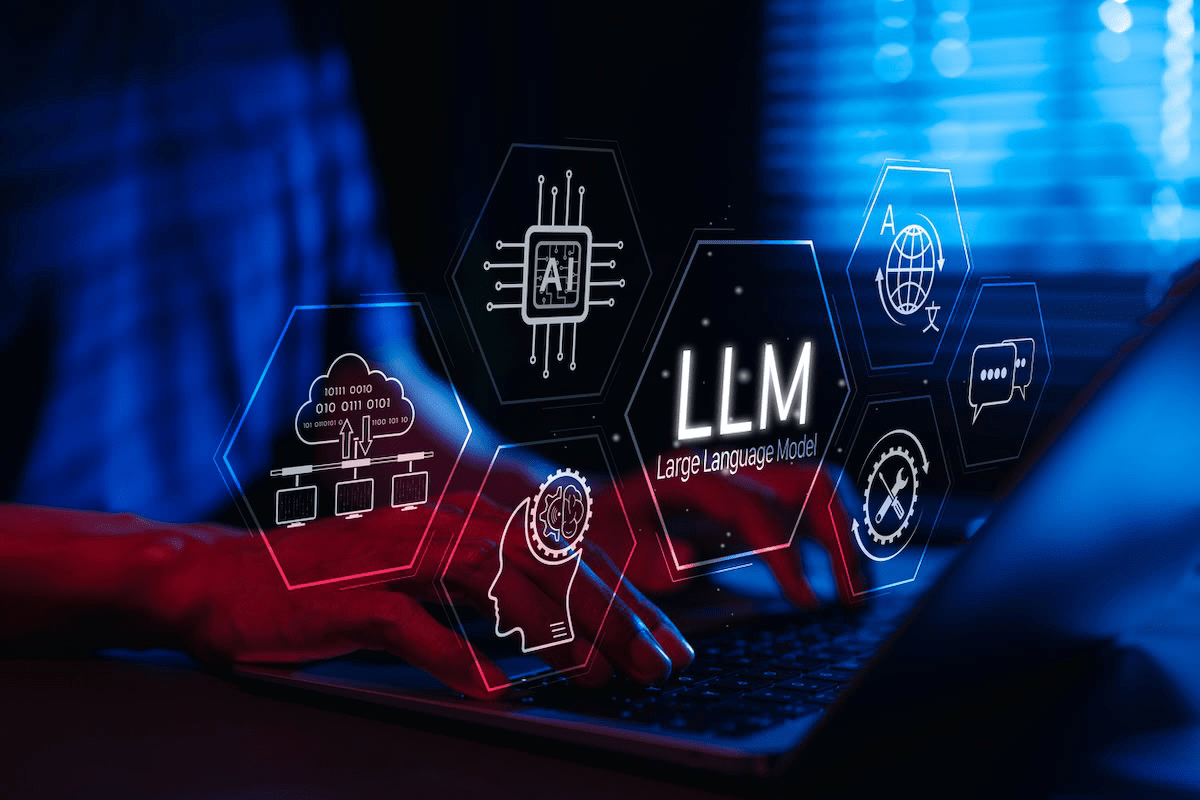
Large Language Models (LLMs) and Machine Learning: Background and Use in Customer Service

Large Language Models (LLMs) and Machine Learning: A Guide for Modern Customer Service

Artificial intelligence (AI) is revolutionizing customer service, but many organizations struggle to translate its potential into practical business value. To effectively leverage AI, leaders need a clear understanding of the core technologies driving it. This article demystifies Large Language Models (LLMs) and Machine Learning (ML), exploring how they work and what they can achieve in customer service.


Building the Foundation: From Machine Learning to LLMs

To understand LLMs, you must first understand the engine that powers them: Machine Learning.

What Is Machine Learning (ML)?

Machine Learning is a field of AI where systems learn from data rather than being explicitly programmed for every task. ML models are trained on vast datasets to recognize patterns, make predictions, and improve their performance over time without new instructions.

Think of it this way: instead of coding a program with rigid rules to identify a cat, you show an ML model thousands of cat pictures. The model learns the patterns—whiskers, pointy ears, tails—and can then identify a cat in a new image on its own.

This learning process is refined through techniques like reinforcement learning, where the model is taught which of its outputs is the best choice, allowing it to make progressively better decisions.

What Are Large Language Models (LLMs)?

Large Language Models are a specialized and powerful application of machine learning. They are neural networks, designed to mimic the human brain, that have been trained on immense volumes of text and data. This training enables them to understand, interpret, summarize, and generate human-like language—a field known as Natural Language Processing (NLP).

A major breakthrough came in 2017 with the introduction of “transformer models,” which allow LLMs to weigh the importance of different words in a sentence. This architecture dramatically increased their speed and contextual understanding, making them far more powerful.

Today, companies can either build their own LLMs or license pre-trained models. These models can be further fine-tuned with company-specific data, adapting them to a particular industry, task, or communication style for more precise and relevant outputs.


The Impact of LLMs on Customer Service

LLMs are uniquely suited to optimize customer service by empowering agents, automating tasks, and delivering a faster, more consistent customer experience.

Key Capabilities in a Service Environment:

  • Intelligent Automation: LLMs power chatbots that can handle entire support conversations, answer frequently asked questions 24/7, classify incoming tickets, and route them to the right department.
  • Agent Empowerment: Instead of replacing agents, LLMs act as powerful assistants. They can instantly summarize long ticket histories, analyze customer sentiment to flag frustration, and draft accurate, context-aware responses that agents can simply review and send.
  • Enhanced Quality and Consistency: LLMs can rephrase complex technical information into simple terms, translate conversations in real-time, and ensure all communications adhere to a consistent brand voice.

A Practical Use Case

Imagine a customer contacts support about a complex issue with a recent software implementation. The assigned agent can use an LLM to:

  • Instantly summarize all previous interactions with the customer.
  • Use sentiment analysis to detect the customer’s frustration level.
  • Receive a suggested response that addresses the issue, which the agent can quickly edit and approve.

The time saved is enormous, and the combination of AI-powered context and human oversight leads to a faster, more empathetic, and more effective resolution.


A Practical Guide: Using LLMs and ML Effectively

The question is no longer if you should use these technologies, but how. Here are practical tips for maximizing their benefits while navigating potential challenges.

1. Make the Most of the Benefits

  • Aim for Strategic Automation: Don’t just use LLMs to assist with manual tasks. Identify processes that can be fully automated, such as generating first-response emails, creating knowledge base articles from resolved tickets, or handling routine information requests from start to finish.
  • Enhance Precision and Quality: Leverage advanced ML to produce high-quality content. LLMs excel at generating well-crafted reports, clear summaries, and accurate translations, raising the standard of your communications.
  • Find Creative Solutions: Because LLMs are trained on vast and diverse datasets, they can connect disparate information to propose creative or unconventional solutions that a human agent might not have considered.

2. Overcome the Challenges

While the advantages are significant, a responsible AI implementation requires awareness of the challenges.

  • Dealing with “Hallucinations”: Occasionally, an LLM will generate information that sounds plausible but is factually incorrect. This happens because the model predicts the next most likely word, not the most truthful one. Mitigation: Reduce hallucinations by providing the LLM with specific context—like a relevant knowledge base article or technical document—to ground its responses in fact.
  • Identifying Bias: LLMs can inadvertently reproduce biases present in their training data (e.g., social stereotypes, US-centric examples, or overly formal language). Mitigation: Use mature, well-tested applications. Fine-tuning models with your own curated and diverse datasets can significantly minimize bias.
  • Protecting Sensitive Data: Customer data is confidential. Never input personal or sensitive information into a public LLM. Mitigation: Use enterprise-grade AI solutions that comply with data protection regulations like GDPR and offer robust data privacy controls.

Conclusion: The Future is a Strategic Choice

Large Language Models and Machine Learning are no longer futuristic concepts; they are essential tools for modern customer service. They deliver clear gains in efficiency, enhance the customer experience, and improve satisfaction by providing fast, accurate, and personalized support.

Ultimately, the key differentiator will be how businesses choose to integrate these technologies. They can be used in one of two ways:

  • As a Supportive Tool: Used occasionally to speed up or enhance existing manual processes.
  • As a Disruptive Technology: Used strategically to automate and replace manual processes entirely.

While the first approach offers incremental gains, the second unlocks the full transformative potential of AI. Businesses that only use LLMs for minor assistance are just scratching the surface of what’s possible. The future of exceptional customer service belongs to those who fully embrace a technology-driven, automated, and intelligent strategy.

About OTRS

OTRS (originally Open-Source Ticket Request System) is a service management suite. The suite contains an agent portal, admin dashboard and customer portal. In the agent portal, teams process tickets and requests from customers (internal or external). There are various ways in which this information, as well as customer and related data can be viewed. As the name implies, the admin dashboard allows system administrators to manage the system: Options are many, but include roles and groups, process automation, channel integration, and CMDB/database options. The third component, the customer portal, is much like a customizable webpage where information can be shared with customers and requests can be tracked on the customer side.

About Version 2 Limited
Version 2 Digital is one of the most dynamic IT companies in Asia. The company distributes a wide range of IT products across various areas including cyber security, cloud, data protection, end points, infrastructures, system monitoring, storage, networking, business productivity and communication products.

Through an extensive network of channels, point of sales, resellers, and partnership companies, Version 2 offers quality products and services which are highly acclaimed in the market. Its customers cover a wide spectrum which include Global 1000 enterprises, regional listed companies, different vertical industries, public utilities, Government, a vast number of successful SMEs, and consumers in various Asian cities.

API Threats, Bot Attacks & Random Traffic Spikes: How AWS WAF + Cloudbric WMS Keep You Safe in 2025

API Threats, Bot Attacks & Traffic Spikes:
How AWS WAF + Cloudbric WMS Secures Your Business in 2025

In 2025, the digital landscape has become a high-stakes battleground. APIs are the new frontline, automated bots outnumber human users, and hyper-volumetric DDoS attacks have reached an unprecedented scale. For businesses running on AWS, standard, out-of-the-box security is no longer enough. You need an expert-managed, intelligence-driven defense.

This is where Cloudbric WMS transforms your AWS WAF from a simple tool into a comprehensive, fully staffed security operation.


1. The Challenge: Attackers are in “Boss Mode”

The threat data for 2025 is clear: the complexity and volume of attacks are overwhelming manual defenses.

Trend Data Point
API Attacks Explode 311 billion web app & API attacks in 2024, up 33% year-over-year.
Bots Outnumber Humans Automated traffic now constitutes 51% of the web; malicious bots alone make up 37%.
Traffic Spikes Signal Attacks Hyper-volumetric HTTP DDoS attacks (>100M pps) surged 592% quarter-over-quarter.
Business Logic Abuse OWASP now flags “Unrestricted Access to Sensitive Business Flows” as a critical API risk (API6:2023).

While AWS WAF provides a solid foundation with low-latency edge protection, it leaves the most critical tasks—continuous rule tuning, false positive management, and proactive threat analysis—in your hands. This creates a dangerous gap between owning a tool and having a true security solution.


2. The Solution: Cloudbric WMS—Intelligence and Expertise on AWS WAF

Cloudbric WMS closes this gap by layering three critical capabilities on top of your existing AWS WAF deployment.

Capability What It Delivers
Advanced Intelligence Stack Real-time Threat IP Scoring from global feeds, an AI engine that analyzes WAF logs to detect anomalies and bot fingerprints, and a proprietary rule engine with a 91.53% detection rate (Tolly BMT).
24/7 Human Expertise A global Security Operations Center (SOC) acts as an extension of your team. Our expert analysts interpret alerts, triage incidents, push mitigations in minutes, and provide custom rule consulting aligned with your business logic—no tier-1 scripts, no delays.
Actionable Visibility A unified operations dashboard gives you and our experts a clear view of traffic and threats, while executive-level threat reports provide the insights needed for audits and strategic planning.

3. Attack-to-Defense Cheat Sheet

See the difference in action. Here’s how sophisticated, common attacks are handled with and without Cloudbric WMS.

Threat Scenario Native AWS WAF With Cloudbric WMS
GraphQL injection on an undocumented API endpoint Requires manual creation of a complex Regex rule. Auto-learned API schema combined with behavioral detection blocks the attack automatically.
AI-driven price-scraping bot swarm Bot Control blocks known bad bots, but sophisticated ones may get through. Threat IP Score instantly blocks low-reputation sources, while headless browser fingerprinting and per-minute rate limiting stop the swarm.
Sudden 7 Tbps DDoS burst Relies on a pre-set ACL rate limit; your team must analyze logs post-attack. Our 24/7 SOC immediately escalates, applies geo-filters to attack nodes, and delivers a hands-off incident report in under 15 minutes.
Abuse of a “bulk-order” API flow (API6) No specific, out-of-the-box coverage for business logic abuse. A custom business-logic rule set with transaction caps and anomaly scoring prevents the abuse.

4. Deployment in Minutes, Not Months

Getting started is simple and fast.

  1. Subscribe to Cloudbric WMS on the AWS Marketplace.
  2. Delegate access to your existing AWS WAF and associated resources (like CloudFront).
  3. Baseline logging begins, and our Threat IP Score model builds automatically.
  4. We run in Monitor-only mode for 48 hours while our SOC tunes for any false positives.
  5. Block mode is activated, and you begin receiving weekly rule optimizations and executive threat reports.

5. Proven Business Outcomes

Result The Cloudbric WMS Impact
Fewer False Positives Up to 40% reduction through advanced Threat IP Scoring and expert tuning.
Higher Detection Rate 91.53% OWASP Top-10 detection, compared to <70% for leading competitors (Tolly, Feb 2024).
Faster Mitigation An average time-to-mitigate of less than 5 minutes, thanks to our 24/7 SOC.
Trusted Credibility Recognized as an AWS WAF Ready & ISV Accelerate partner, with multiple industry awards.

6. Take Action

Ready to upgrade your AWS WAF into an always-on, API-savvy shield? Start your free trial of Cloudbric WMS today and see real-time Threat IP scores, expert SOC insights, and zero-day rule updates in action.

Frequently Asked Questions

Q1. Does Cloudbric WMS replace AWS WAF?
A. No. It extends and enhances AWS WAF with advanced intelligence, expert SOC monitoring, and higher-fidelity rules, all while keeping your traffic securely on Amazon’s global edge network.

Q2. Is Threat IP Scoring an extra cost?
A. No, it is a core feature included in every WMS tier. Scores are updated in real time from Cloudbric’s global threat intelligence feeds.

About Penta Security
Penta Security takes a holistic approach to cover all the bases for information security. The company has worked and is constantly working to ensure the safety of its customers behind the scenes through the wide range of IT-security offerings. As a result, with its headquarters in Korea, the company has expanded globally as a market share leader in the Asia-Pacific region.

As one of the first to make headway into information security in Korea, Penta Security has developed a wide range of fundamental technologies. Linking science, engineering, and management together to expand our technological capacity, we then make our critical decisions from a technological standpoint.

About Version 2 Limited
Version 2 Digital is one of the most dynamic IT companies in Asia. The company distributes a wide range of IT products across various areas including cyber security, cloud, data protection, end points, infrastructures, system monitoring, storage, networking, business productivity and communication products.

Through an extensive network of channels, point of sales, resellers, and partnership companies, Version 2 offers quality products and services which are highly acclaimed in the market. Its customers cover a wide spectrum which include Global 1000 enterprises, regional listed companies, different vertical industries, public utilities, Government, a vast number of successful SMEs, and consumers in various Asian cities.

Internal Audit vs. Compliance Audit

Navigating risk requires understanding two distinct, but equally crucial, business practices.

In the world of Governance, Risk, and Compliance (GRC), both internal audits and compliance play a vital role in protecting and strengthening an organization. While they are often mentioned together, they have distinct purposes and methods. Understanding their differences is key to building a resilient business that can operate efficiently while adhering to all necessary regulations.

What Is an Internal Audit?

An **internal audit** is a proactive, self-initiated process that an organization uses to evaluate its own internal controls, risk management, and governance. It is performed by a dedicated team or a contracted third party, but its purpose is to serve the organization itself. The primary goal is to identify operational weaknesses, inefficiencies, and potential internal fraud. By doing so, it helps a business improve its performance and mitigate risks from the inside out.

Example: A retail chain notices a recurring discrepancy between cash receipts and sales records. An internal audit is initiated to investigate the root cause, which may uncover poor cash-handling procedures or a lack of proper employee training.

What Is Compliance?

In contrast, **compliance** is the practice of ensuring that a business follows all external laws, regulations, and industry standards. This includes legal requirements like GDPR or SOX, and industry-specific rules like HIPAA for healthcare. Compliance audits are typically formal reviews, often conducted by external bodies, to verify that the organization’s practices are in line with these mandates. The focus is not on internal improvement but on external adherence, and failure to comply can lead to severe fines, legal action, and reputational damage.

Example: A healthcare provider undergoes a HIPAA compliance audit. The audit reveals that the company’s data encryption protocols are outdated. The organization then upgrades its systems to meet the required security standards to avoid penalties and protect patient information.

Key Differences at a Glance

Aspect Internal Audit Compliance
Purpose To improve internal operations and governance. To adhere to external laws and regulations.
Focus Area Internal processes, efficiency, and risk mitigation. External standards, legal mandates, and industry rules.
Initiator The organization itself. External regulators or a formal schedule.
Frequency Often continuous, as part of an ongoing internal process. Often scheduled or triggered by external events.
Outcome Recommendations for internal improvements. Verification of adherence or a list of required corrective actions.

How They Work Together

Despite their differences, internal audits and compliance are deeply connected. They both serve to reduce risk, require extensive documentation, and rely on continuous monitoring to be effective. An internal audit can proactively uncover a compliance risk before an external audit does, giving the organization time to fix the issue. In this way, they form an interdependent “triad” with governance, working together to create a robust and resilient business that is both efficient internally and secure externally.

About Scalefusion
Scalefusion’s company DNA is built on the foundation of providing world-class customer service and making endpoint management simple and effortless for businesses globally. We prioritize the needs and feedback of our customers, making sure that they are at the forefront of all decision-making processes. We are dedicated to providing comprehensive customer support services, and place emphasis on customer-centric thinking throughout the organization.

About Version 2 Limited
Version 2 Digital is one of the most dynamic IT companies in Asia. The company distributes a wide range of IT products across various areas including cyber security, cloud, data protection, end points, infrastructures, system monitoring, storage, networking, business productivity and communication products.

Through an extensive network of channels, point of sales, resellers, and partnership companies, Version 2 offers quality products and services which are highly acclaimed in the market. Its customers cover a wide spectrum which include Global 1000 enterprises, regional listed companies, different vertical industries, public utilities, Government, a vast number of successful SMEs, and consumers in various Asian cities.

ESM vs. ITSM: Differences and Similarities


ESM vs. ITSM: Expanding Service Management Beyond IT

Enterprise Service Management (ESM) extends the proven principles of IT Service Management (ITSM) across an entire organization. As companies apply these service-oriented practices to departments beyond IT, the strategic value of service management grows, aligning technology, business processes, and company-wide goals.

However, ESM isn’t a one-size-fits-all solution. The decision to focus on ITSM or expand to ESM depends on an organization’s maturity, needs, and strategic priorities. This article clarifies the relationship between these two concepts, exploring their similarities, differences, and the conditions under which an ESM strategy makes the most sense.

What is IT Service Management (ITSM)?

IT Service Management (ITSM) is the strategic framework for how an organization designs, delivers, manages, and improves its technology services. Using dedicated tools and workflows, ITSM focuses on aligning IT services with the needs of the business and its customers. The primary goal is to enhance business performance, boost productivity, and increase user satisfaction by managing IT effectively.

ITSM provides structure to core IT functions, helping organizations achieve business objectives while optimizing budgets. The de facto framework for implementing ITSM is ITIL® (Information Technology Infrastructure Library), which outlines 34 practices, including key processes like:

  • Incident Management: Restoring normal service operation as quickly as possible.
  • Problem Management: Identifying and addressing the root causes of incidents.
  • Change Management: Controlling the lifecycle of all changes to minimize disruption.
  • Asset Management: Tracking and managing IT assets throughout their lifecycle.

Benefits of ITSM

When an IT department is central to business operations, a mature ITSM practice delivers significant advantages:

  • Effective IT Governance: Secure and efficient management of the entire IT environment.
  • Faster Resolution: Rapidly address and resolve incidents and underlying problems.
  • Transparent Changes: Implement system changes with clear traceability and minimal risk.
  • Clear Visibility: Gain a comprehensive overview of IT assets and their interdependencies.

A Practical Example: Saxony State Office for Schools and Education (LaSuB)

LaSuB struggled with a complex and inefficient IT support system. By implementing a centralized ITSM solution with OTRS, they streamlined request management. Now, tickets and notes are easily routed to the correct teams, enabling even small groups to operate efficiently and deliver superior service.

What is Enterprise Service Management (ESM)?

Enterprise Service Management (ESM) is the application of ITSM principles, practices, and technologies to other business departments. Teams in areas like Human Resources (HR), Legal, Facilities, Finance, and Marketing adopt a service management model to structure their work, creating a consistent and high-quality service experience across the organization.

In short, ESM uses the ITSM blueprint to improve organization, visibility, communication, and efficiency on an enterprise-wide scale.

Benefits of ESM

A well-implemented ESM strategy enhances organization-wide processes and drives strategic business goals. Key benefits include:

  • Improved Service Experience: Customers and employees receive consistent, high-quality service without long waits or miscommunication.
  • Increased Agent Satisfaction: Support agents in every department benefit from clear structures and transparent workflows, reducing stress.
  • Cost Savings: Efficient, automated processes reduce both direct operational costs and opportunity costs.
  • Continuous Improvement: A structured service portfolio allows for active management and long-term optimization.
  • Enhanced Productivity: Automation of routine tasks frees up employees to focus on complex, value-added work.

ESM in Action: Employee Onboarding

Onboarding is a critical process that directly impacts employee retention. Without ESM, it can be a chaotic experience. With ESM, an automated workflow coordinates every step: HR initiates the process, IT provisions hardware and accounts, Facilities prepares the workspace, and the hiring manager receives a notification to prepare a training plan. The new employee arrives on day one with everything they need, ensuring a smooth and positive start.

Other examples include:

  • Internal Self-Service Portals: Employees can find answers to common questions about HR policies or facility requests without filing a ticket.
  • Streamlined Approvals: Structured workflows for financial or legal approvals ensure requests are tracked, escalated, and resolved within defined timelines.

Comparing ITSM and ESM: Key Similarities and Differences

Since ESM is an extension of ITSM, the two concepts share a common foundation in “Service Management.” The primary distinction lies in their scope: “IT” for Information Technology versus “E” for Enterprise.

Shared Foundation

Both ITSM and ESM leverage the same core principles to deliver efficient, goal-oriented service:

  • Customer-Centricity: A strong focus on meeting the needs of the end-user (whether an external customer or an internal employee).
  • Efficient Workflows: Standardized processes that improve collaboration and save time.
  • Automation: Reducing manual errors and freeing up teams for more strategic tasks.
  • Self-Service: Portals that empower users to resolve simple issues 24/7.
  • Knowledge Management: Centralized knowledge bases with FAQs, guides, and solutions for faster support.
  • Common Tooling: Use of similar software to manage tickets, workflows, and services.

Key Differences

The core difference is the domain of application. ITSM manages technology services, while ESM expands this model to manage business services.

AspectIT Service Management (ITSM)Enterprise Service Management (ESM)
FocusIT-related services (e.g., system upgrades, access requests, application support).Business-oriented services across departments (e.g., employee onboarding, contract approvals, facilities requests).
ScopeConfined to the IT department and its services.Encompasses the entire organization (HR, Legal, Finance, etc.).
Strategic AlignmentAligns IT performance with business goals.Directly supports broader business goals like enterprise-wide cost savings and customer satisfaction.
MaturityA well-established discipline with standardized frameworks like ITIL®.An emerging practice that requires adapting ITIL principles to non-technical contexts.

In essence: ITSM perfects service delivery within IT. ESM scales those perfected practices across the enterprise.

ITSM or ESM: Which Approach is Right for You?

ITSM and ESM are not mutually exclusive; they represent a continuum of service management maturity. The real question is not if you should choose one over the other, but when you should expand from ITSM to ESM. An IT department with a mature ITSM practice is perfectly positioned to champion this evolution.

When to Focus on ITSM

A dedicated focus on ITSM is essential when:

  • The primary goal is to bring order and efficiency to a complex, interdependent IT environment.
  • Other business departments are not yet accustomed to process-oriented work and require foundational service management basics.

When to Adopt ESM

Expanding to ESM is the logical next step when:

  • Your ITSM practice is mature and consistently delivering value.
  • Inefficient cross-departmental processes (like onboarding or procurement) are creating bottlenecks and frustration.
  • Your organization is ready to standardize service delivery and leverage automation across all business functions.

The most effective approach is to build on your ITSM success. Evolve it step-by-step into a comprehensive ESM strategy, starting with a department like HR that handles a high volume of complex requests and can benefit immediately from structured service management.

Final Thoughts: Expand What Works

ITSM and ESM are different expressions of the same powerful principle: to deliver outstanding service efficiently and consistently. If ITSM is already succeeding in your IT department, you have a proven model for success that can benefit the entire organization.

While still less common than ITSM, ESM offers early adopters a significant competitive advantage. By creating a highly structured, results-driven service culture, ESM helps achieve critical business goals and fosters a more collaborative, efficient, and productive workplace.

About OTRS

OTRS (originally Open-Source Ticket Request System) is a service management suite. The suite contains an agent portal, admin dashboard and customer portal. In the agent portal, teams process tickets and requests from customers (internal or external). There are various ways in which this information, as well as customer and related data can be viewed. As the name implies, the admin dashboard allows system administrators to manage the system: Options are many, but include roles and groups, process automation, channel integration, and CMDB/database options. The third component, the customer portal, is much like a customizable webpage where information can be shared with customers and requests can be tracked on the customer side.

About Version 2 Limited
Version 2 Digital is one of the most dynamic IT companies in Asia. The company distributes a wide range of IT products across various areas including cyber security, cloud, data protection, end points, infrastructures, system monitoring, storage, networking, business productivity and communication products.

Through an extensive network of channels, point of sales, resellers, and partnership companies, Version 2 offers quality products and services which are highly acclaimed in the market. Its customers cover a wide spectrum which include Global 1000 enterprises, regional listed companies, different vertical industries, public utilities, Government, a vast number of successful SMEs, and consumers in various Asian cities.