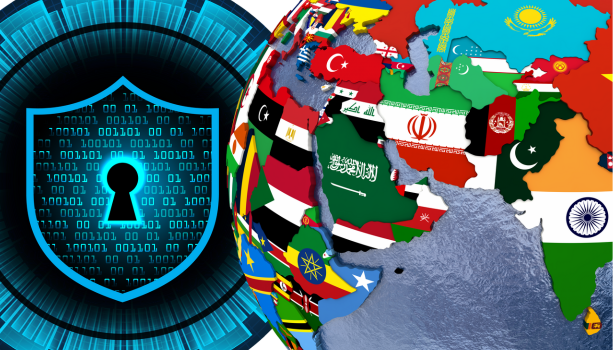
Navigating Growth and Cybersecurity in Southeast Asia and the Middle East
As digital transformation sweeps the globe, Southeast Asia and the Middle East have emerged as epicenters of technological ambition and economic opportunity. Each region, leveraging its unique strengths, is on a parallel path of rapid digitization. However, this progress comes with a critical, shared challenge: a rapidly expanding cybersecurity threat landscape that could undermine their growth if left unaddressed.
Southeast Asia: An E-Commerce Boom Meets a Security Bottleneck
Home to 670 million people and an economy growing at over 5% annually, Southeast Asia is one of the world’s fastest-growing digital markets. Fueled by a young population and government investment, countries like Vietnam, Indonesia, and Thailand are seeing explosive growth in e-commerce and fintech.
This digital gold rush, however, has attracted a new breed of adversary. As digital payment systems become ubiquitous, cyberattacks have surged. Vietnam alone faced nearly 20 million brute-force attack attempts in 2024. The challenge is compounded by a significant cybersecurity skills gap; research indicates as few as 11% of Vietnamese organizations feel equipped to respond to cyber incidents effectively. In response, nations are mobilizing. Singapore is implementing its “National Cybersecurity Strategy 2030,” while regional bodies like the ASEAN Cybersecurity Coordinating Committee are promoting threat intelligence sharing.
The Middle East: Ambitious Visions Confront High-Stakes Threats
Similarly, the Middle East is undergoing a profound digital overhaul, driven by ambitious national agendas like Saudi Arabia’s Vision 2030 and the UAE’s Digital Government 2025. Leveraging significant capital and strong government leadership, the region is investing heavily in AI, blockchain, and smart cities like Dubai and Riyadh.
This top-down transformation of critical infrastructure—from energy to finance—creates high-value targets for sophisticated, often state-sponsored, cyberattacks. The integration of Operational Technology (OT) and IT in the vital oil and gas sector has opened new attack vectors, and the region has recorded the world’s highest increase in ransomware incidents. In response, governments are adopting a centralized, robust defense posture. The UAE’s “Cybersecurity Strategy 2031” and Saudi Arabia’s Essential Cybersecurity Controls (ECC) framework are mandating stringent security standards and embedding a “Security by Design” philosophy into megaprojects like NEOM.
Why Security Must Lead, Not Follow, Digital Transformation
In the race to innovate, security is often treated as an afterthought. This is a critical mistake. Cybersecurity is the foundational pillar of a sustainable digital economy. As the digital attack surface expands, a single breach can cripple operations, erode public trust, and violate increasingly strict data protection laws. Building a secure framework from the outset is not a cost center—it is a strategic investment in resilience and long-term growth.
Success will depend on robust collaboration between governments, enterprises, and international partners to craft region-specific security strategies. Recognizing this dynamic, leading global firms like Penta Security are providing tailored solutions for these high-growth markets, partnering with local entities in Vietnam and the UAE to build sustainable and secure digital ecosystems. By aligning world-class technology with local regulatory needs, such partnerships are essential to ensuring that the digital future of these vibrant regions is both prosperous and secure.